The End of an Era: US Mint Strikes the Final Circulating Penny After 232 Years—What It Means for Your Wallet and Your Collection
The Last Copper Drop: US Mint Permanently Axes Circulating Penny Production
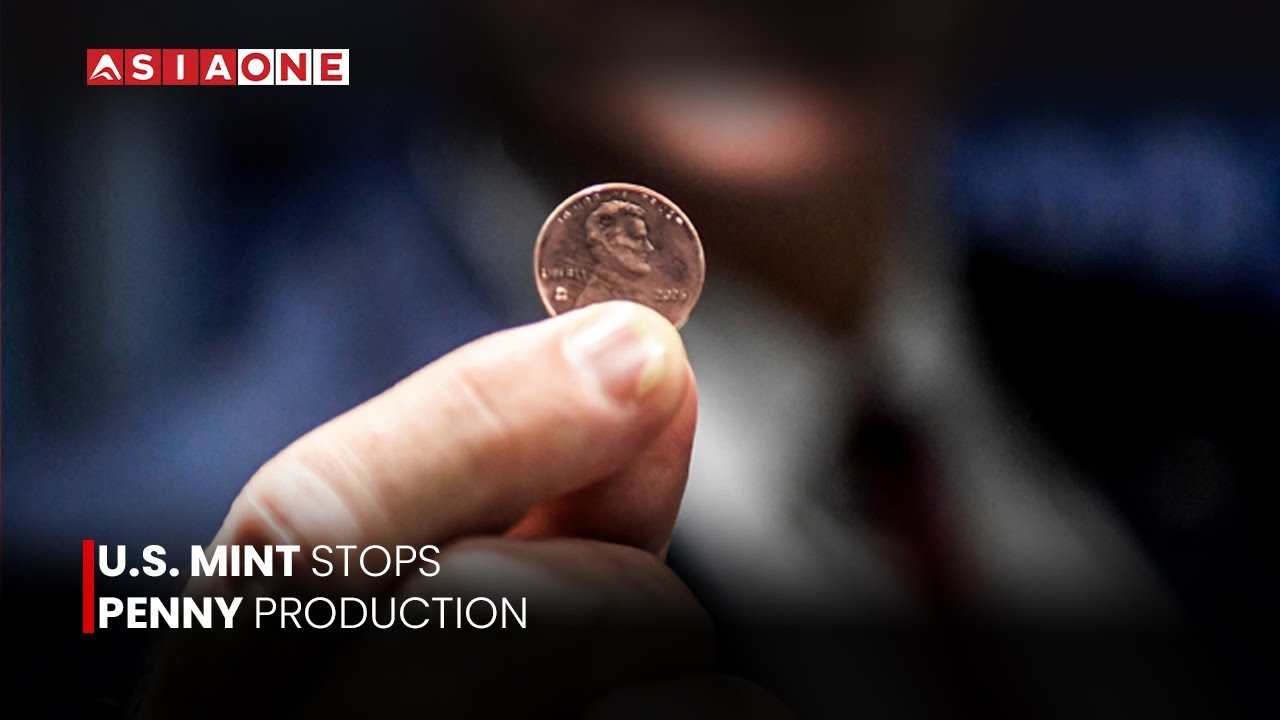
In a move that is simultaneously historic, financially pragmatic, and deeply nostalgic, the United States Mint has officially ceased production of the circulating one-cent coin—the humble penny. After a remarkable 232-year run that saw it evolve from a simple copper disc into an indelible part of the American cultural fabric, the era of the penny has come to an end.
The ceremonial ‘final strike’ event took place on Wednesday, November 12, 2025, at the Philadelphia Mint. U.S. Treasurer Brandon Beach personally struck the last of the one-cent coins intended for general commerce, marking the official conclusion of a manufacturing process that began in 1793, just a year after the Coinage Act authorized its creation.
The decision, ordered by President Donald Trump earlier this year to halt what he called the “wasteful” minting of pennies, signals a massive shift in the nation’s currency strategy and has immediately sent ripples through the worlds of retail, personal finance, and high-stakes numismatics.
The Financial Imperative: Why the Penny Had to Go
While the public reaction has been one of sentimental regret, the Treasury Department’s reasoning is purely economic. The fundamental problem facing the penny was simple: it cost more to produce than its face value. According to the U.S. Mint, the cost of manufacturing a single one-cent coin had ballooned from 1.42 cents a decade ago to an astonishing 3.69 cents in the final year of production.
This unsustainable cost created an annual deficit for the Mint, a fiscal absurdity that finally became too large to ignore. Suspending production of the penny is expected to save the U.S. Mint approximately $56 million a year in materials and manufacturing overhead.
President Trump’s order in February, which called for the end of the coin due to its climbing costs, framed the issue as an overdue correction to an obsolete piece of currency. The Treasury Department, though continuing to stress that the penny remains legal tender, has bowed to the reality that in an increasingly digital and cost-conscious economy, the one-cent piece is a luxury the nation can no longer afford.
The Emotional Fallout: An American Icon Fades
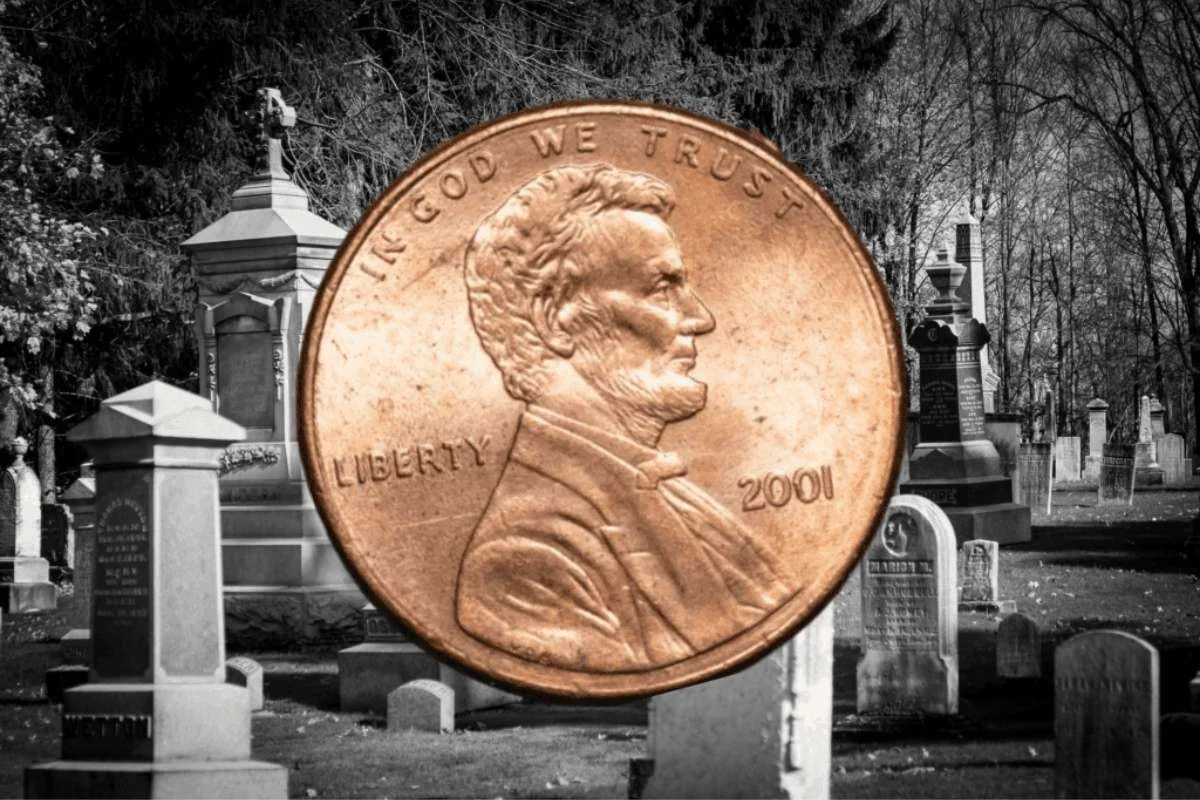
The penny, featuring the iconic profile of Abraham Lincoln since 1909, is more than just currency; it’s a cultural touchstone. The news of its demise has provoked a swift and varied public reaction, especially in the realm of entertainment and human-interest stories.
Nostalgia and the ‘Lucky Penny’
For generations, the penny has been a fixture in piggy banks, coin fountains, and childhood lessons on saving. Phrases like “a penny for your thoughts,” “penny-pinching,” and the universally recognized concept of a “lucky penny” found on the street will now take on an almost archaic quality.
The entertainment world, which frequently uses coins as props and plot devices to signify luck or a simple life, will be forced to acknowledge its absence. The reaction is akin to losing a beloved, if financially impractical, national mascot. Many Americans feel a profound connection to the coin, seeing it as a symbol of America’s history and its foundational monetary system.
Retail Chaos and the Rounding Dilemma
The immediate practical concern lies with retailers and their customers. While the U.S. Mint insists there are an estimated 300 billion pennies in circulation—far exceeding the amount needed for commerce—the phase-out has already caused friction.
Retailers, who were often caught short on supplies as the final production date neared, are now grappling with how to handle cash transactions that end in one or two cents. The phase-out was criticized by some, like the National Association of Convenience Stores, as being abrupt and lacking clear guidance on transaction handling.
-
The Rounding Rule: The de-facto standard expected to emerge is a form of ‘Swedish rounding’ or ‘Dutch rounding,’ where cash transactions will be rounded to the nearest five or ten cents. This means a purchase of $4.99 might be rounded down to $4.95 or up to $5.00. The change is poised to be a minor, yet constant, irritant for consumers and a significant logistical headache for cashiers as systems adjust.
-
The Race for Exact Change: In the weeks leading up to the final strike, some creative businesses resorted to offering prizes, like free drinks, in exchange for customers bringing in large piles of pennies, signaling the immediate scarcity perceived by those reliant on change.
Numismatics Gold Rush: The Collector’s Perspective
For coin collectors—numismatists—the end of the circulating penny is a financial earthquake. The term ‘Mint condition’ has taken on an entirely new meaning, as any penny struck from this point forward will hold a higher intrinsic and historical value.
The Final Strike Premium
The pennies struck on November 12, 2025, during the ceremonial final run are instantly designated as historic collectibles. While the number of these specific coins is finite, the value of all circulating pennies is expected to slowly appreciate over time due to scarcity and historical significance. Experts anticipate a rush for rolls of uncirculated 2025-dated pennies.
The Numismatic Exception
Crucially, the U.S. Mint confirmed that while general circulation is over, it will continue to produce numismatic versions of the penny in limited quantities for collector purposes. These are special, higher-quality, non-circulating coins that are sold directly to collectors at a premium. This means the iconic Lincoln design will not disappear entirely, but its purpose will change from utilitarian currency to valuable collector’s item.
Collectors will now turn their attention to:
- Final Year Pennies: Any penny struck in 2025.
- Key Dates and Errors: Existing valuable coins, like the 1909-S VDB or the 1955 Doubled Die, will likely see their value soar due to the increased publicity and demand generated by the penny’s end.
- The Final Ceremonial Coin: The single penny struck by the U.S. Treasurer, which will undoubtedly be a museum-quality piece or highly valued auction item.
The Future of Small Change
The penny is the first American coin to be fully retired in the modern era, but it is unlikely to be the last. The nickel and the dime have also faced scrutiny over their cost of production versus their face value. The retirement of the penny could pave the way for a broader re-evaluation of the entire US coinage system, a change that will impact how we view and use cash for decades to come. While cash is still king for many, the ‘Death of the Penny’ is a loud bell tolling for the future of small change in an increasingly cashless society.
Breaking Tech News Interlude: The Other ‘Mint’ Saga
It is important to note that this major currency shift is happening concurrently with another significant ‘Mint’ story in the financial world. Intuit, the parent company of the popular personal finance and budgeting app Mint, is proceeding with its plan to shut down the service. After an initial uproar from its millions of users, Intuit has delayed the final shutdown date to March 24, 2024, pushing users to migrate to its other property, Credit Karma.
This technology shutdown has caused significant user dissatisfaction due to the mandatory, irreversible migration process and the reported loss of Mint’s core budgeting and financial goal-tracking features in the Credit Karma app. While not related to US currency, the dual news events underscore a broader consumer trend: the transition away from physical and traditional financial tools into a new, often digital, era.
Frequently Asked Questions (FAQs)
Q: Has the penny been completely abolished?
A: No. The penny remains legal tender, meaning it is still considered official currency and can be used to purchase goods and services. What has ended is the U.S. Mint’s production of new circulating pennies. The hundreds of billions of pennies already in circulation will continue to exist and can be used indefinitely.
Q: Why did the U.S. Mint stop making pennies?
A: The primary reason was economic. The cost of materials and labor to produce a single one-cent coin had risen to 3.69 cents, creating an unsustainable loss for the federal government. President Donald Trump ordered the halt in production to save an estimated $56 million annually.
Q: What happens to cash purchases that are not an even nickel amount (e.g., $1.98)?
A: There is no federal mandate on rounding, but the expectation is that retailers will adopt a rounding policy for cash transactions. The most likely scenario is rounding to the nearest five cents. For example, $1.98 or $1.97 would be rounded down to $1.95, while $1.99 or $1.96 would be rounded up to $2.00. Electronic (card) transactions will remain exact.
Q: Will the U.S. Mint ever make another penny?
A: Yes, but only for collectors. The U.S. Mint will continue to produce special numismatic versions of the penny in limited quantities. These are not intended for general circulation but for sale as collector’s items. The final decision only affects the penny’s role as a circulating currency.
Q: Is this related to the Mint budgeting app shutting down?
A: No. The U.S. Mint (the government body) and the Mint personal finance app (owned by Intuit) are completely separate entities. The confusion is coincidental, though both stories involve a major change to an entity named ‘Mint.’ The Intuit Mint app is being shut down and users are being moved to Credit Karma.
Read More:

This Post Has 0 Comments