‘Parasocial’ Crowned Word of the Year: Decoding the ‘Me’ Obsession with Celebrity Fandom in 2025
The New Normal of Fandom: Why ‘Parasocial’ Defines the 2025 Cultural Zeitgeist
In a move that perfectly captures the complex, isolating, yet hyper-connected reality of modern celebrity culture, the Cambridge Dictionary has officially named ‘parasocial’ its Word of the Year for 2025. This breaking news sends a clear signal: the way individuals (the ‘me’) interact with and feel connected to public figures, influencers, and even AI, has fundamentally changed. The choice of this academic-sounding term as the top word of a year dominated by blockbuster tours, high-profile celebrity romances, and the explosive growth of artificial intelligence is more than just a linguistic footnote—it’s a deep cultural diagnosis of the American experience.
The term, defined by the dictionary as “involving or relating to a connection that someone feels between themselves and a famous person they do not know,” encapsulates the one-sided yet intensely felt relationships that define contemporary fandom. While the concept of a ‘parasocial’ relationship originated in the 1950s to describe a television viewer’s bond with an on-screen personality, its surge in popularity and mainstream usage in 2025 is a direct result of the digital age, where social media and instant access blur the lines between private and public life.
The Anatomy of a Cultural Phenomenon: From Niche Term to News Headline
The selection of ‘parasocial’ is not arbitrary. The Cambridge Dictionary noted significant spikes in lookups and usage throughout 2025, reflecting a broad public curiosity and a need for a language to describe a common, yet often misunderstood, form of emotional engagement. The rise of this term speaks directly to several major news trends that dominated the entertainment and tech spheres:
The ‘Traylor’ Effect: A Case Study in Asymmetrical Love
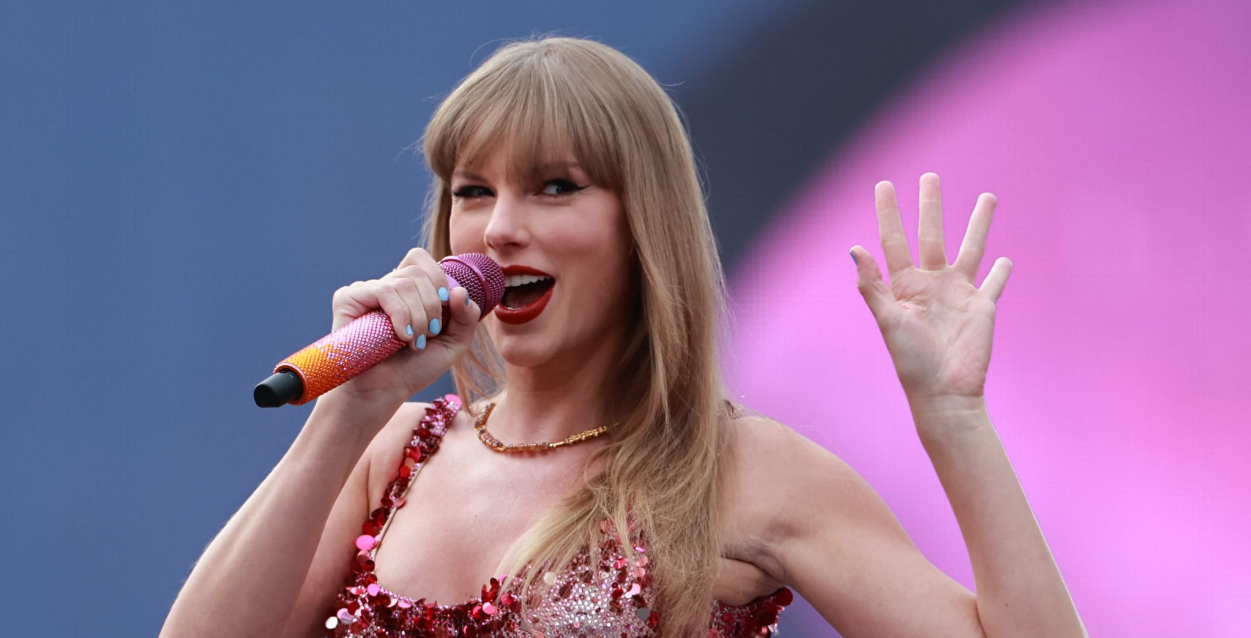
Perhaps the most potent example fueling the ‘parasocial’ explosion in the US was the relationship and subsequent engagement of pop superstar Taylor Swift and NFL star Travis Kelce. When the couple announced their engagement, the public outpouring of joy, support, and intense personal interest mirrored the reaction to two close friends getting married, despite the vast majority of fans having no personal connection to either person.
Fans dissected every social media post, every public sighting, and even Taylor Swift’s lyrics, interpreting them as intimate communications. This intense, one-sided investment—where the fan knows a great deal about the celebrity, but the celebrity is unaware of the fan’s existence—is the textbook definition of parasociality. The ‘Traylor’ phenomenon wasn’t just celebrity gossip; it became a national, collective emotional experience, highlighting just how deeply individuals are willing to embed their own lives and feelings into the narratives of public figures. The breaking news surrounding their relationship acted as a constant, real-world lesson in the power and prevalence of the parasocial bond.
The Influencer Economy and the ‘Me’ Focus
Beyond traditional celebrities, the rise of the influencer economy has fundamentally altered the playing field. Influencers, by design, cultivate a sense of intimacy and authenticity through vlogs, ‘day in the life’ content, and interactive Q&A sessions, making the parasocial connection easier and more immediate than ever before. For many, these digital relationships fill a void, acting as a substitute for real-world social interaction. One key moment cited for the word’s surge was the news of a YouTube content creator who had to block a follower who identified as their “number one parasocial,” showcasing how these one-sided connections can sometimes turn “unhealthy and intense.”
The irony is that while the entire social media structure is built around the feeling of two-way communication (liking, commenting, sharing), the interaction remains fundamentally one-sided. The individual’s ‘me’ is centered in the fan experience, often projecting their own hopes, desires, and anxieties onto the public figure.
AI and the Future of One-Sided Intimacy
The definition of ‘parasocial’ in 2025 has also been significantly stretched to include artificial intelligence. Cambridge Dictionary updated its definition to account for the possibility of a relationship with AI, citing the growing trend of individuals turning to AI chatbots as confidants, friends, or even romantic partners. This development is arguably the most futuristic and concerning aspect of the word’s selection.
As AI models become more sophisticated, they can perfectly mimic human emotional responsiveness, creating an illusion of a genuine, reciprocal bond. For those feeling socially disconnected, an AI chatbot offers a low-risk, always-available ‘friend’ or ‘confidant.’ However, this relationship is fundamentally parasocial; the AI is merely a highly advanced algorithm, unaware of the individual on the other side. News surrounding the ethical implications and potential mental health effects of these AI-driven bonds has pushed the word further into the mainstream discourse, forcing a national conversation about what constitutes genuine human connection in the 21st century.
Why This Matters: A Reflection of the Digital Age
The choice of ‘parasocial’ is a commentary on several significant societal shifts in the US:
- Erosion of Trust in Traditional Media: As trust in mainstream and traditional media outlets wanes, people increasingly turn to influencers and public figures—perceived as more authentic—for information and connection. This shift creates fertile ground for asymmetrical relationships to flourish.
- Celebrity as Community: Fandom is no longer just about enjoying an artist’s work; it’s about participating in a community centered around a public figure. The parasocial bond is the engine that drives this community, leading to heated online discussions and obsessive interpretations of celebrity actions.
- The Power of Language: What was once a specialist academic term has become a necessary piece of the mainstream vernacular. The word’s popularity signifies a collective realization that this type of relationship is no longer a fringe psychological phenomenon but a defining characteristic of our mediated lives.
In conclusion, the breaking news of ‘parasocial’ being named the 2025 Word of the Year confirms that the celebrity-fan relationship has reached an unprecedented level of intensity and psychological complexity. It forces the individual—the ‘me’—to ask a fundamental question: Is the deep connection I feel with a star like Taylor Swift or an influencer a healthy form of escapism, or a reflection of deeper social voids? As we move further into a world mediated by screens and algorithms, understanding the ‘parasocial’ dynamic will be crucial for navigating the future of pop culture, social health, and personal identity. The word is not just a trend; it’s a mirror reflecting the solitary but hyper-connected nature of American life in 2025.
Frequently Asked Questions (FAQs)
What is a parasocial relationship?
A parasocial relationship is a one-sided connection that an individual feels with a person they do not know personally, such as a celebrity, a fictional character, an influencer, or even an artificial intelligence. The individual invests time, energy, and emotional attachment into the relationship, while the other party (the public figure) is unaware of the individual’s existence. The feelings are real for the individual, but the relationship itself is asymmetrical and unreciprocated.
Why was ‘parasocial’ chosen as the Word of the Year for 2025?
Cambridge Dictionary selected ‘parasocial’ due to its massive increase in lookups and usage throughout 2025, which coincided with major cultural phenomena in the US, including the intense public interest in the Taylor Swift and Travis Kelce engagement, the explosive growth of the influencer economy, and the emerging trend of people forming relationships with AI chatbots. The word captures the contemporary zeitgeist of media consumption and connection.
Is a parasocial relationship always unhealthy?
Not necessarily. While the term is often discussed in the context of “unhealthy and intense relationships,” many experts agree that mild forms of parasocial interaction can be a normal and healthy part of fandom, offering companionship, role models, and a shared social experience with other fans. It only becomes concerning when the one-sided relationship begins to interfere with an individual’s real-life relationships, mental health, or perception of reality.
How does social media contribute to parasocial relationships?
Social media platforms (like Instagram, TikTok, and YouTube) are designed to foster parasocial bonds. They allow public figures to share intimate, unscripted moments that create an illusion of closeness, making the fan feel like they are getting direct, personal access. This constant, direct stream of content blurs the professional-personal line, intensifying the fan’s emotional investment.
What is the link between ‘parasocial’ and AI chatbots?
As AI chatbots become more sophisticated, they can simulate genuine human conversations, leading some individuals to confide in them or even develop romantic feelings. The Cambridge Dictionary specifically updated the definition of ‘parasocial’ to include relationships with AI, recognizing that the emotional connection is one-sided, as the AI is merely processing data and not reciprocating human emotion.
Read More:

This Post Has 0 Comments