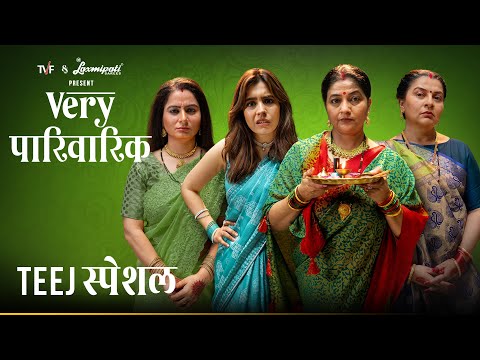
Very Parivarik | Teej Special Video
Very Parivarik | Teej Special Video: A Hilarious Look at Modern Indian Family Traditions
The Hindu festival of Teej is a vibrant, deeply meaningful occasion, steeped in tradition, devotion, and the color of the monsoon season. It is a time when women celebrate the divine union of Goddess Parvati and Lord Shiva, fasting and adorning themselves to pray for the longevity and prosperity of their husbands. Yet, in the hands of The Viral Fever (TVF), this auspicious celebration becomes the backdrop for a hilarious and relatable family comedy in their popular web series, ‘Very Parivarik.’
The “Teej Special Video” from Very Parivarik successfully captures the blend of high tradition and modern domestic chaos that defines the contemporary Indian household, proving why the episode quickly became a trending hit on YouTube.
The Charm of ‘Very Parivarik’
Very Parivarik centers on the humorous, often chaotic, life of a modern Indian couple—Anish, an IT professional, and Shelly, an actor—whose lives are upended when their parents move in with them. The series excels at mining comedy from the generational and cultural clash between the traditional parents and their more contemporary children, all while keeping a core of genuine warmth and relatability. The show has garnered widespread affection for its ability to navigate these humorous complexities with a light-hearted, yet insightful, tone.
The Teej Special: A ‘Plate’ Heist Operation
The Teej Special episode shifts the focus to the celebratory gathering at a neighbor’s house, where the atmosphere of traditional festivity is immediately contrasted with a petty, yet high-stakes, domestic dilemma. The main plot revolves around the matriarchs of the family, Shakuntala and Shelly, discovering a long-lost piece of their dinner set—a single, crucial dinner plate—at their neighbors’ home.
What follows is a “laugh-out-loud heist operation” where the mothers plot and scheme to retrieve their beloved dinnerware, turning the solemn occasion of Teej into a mission of domestic espionage. The episode cleverly uses the cultural context of Teej—a festival that values family and shringar (adornment)—to highlight the everyday, often absurd, issues that can dominate an Indian family’s attention, even during the most sacred festivals. This blend of authentic cultural setting with a relatable, modern comedic crisis is the signature appeal of the episode.
Decoding the True Significance of Teej
While the Very Parivarik episode offers a comical lens, it is essential to appreciate the rich, centuries-old traditions that the festival represents. The name ‘Teej’ is derived from the word for “third,” as the festivals are celebrated on the third day of the fortnight in the Hindu calendar months of Shravan and Bhadrapada.
Teej is dedicated to Goddess Parvati, who is also known as ‘Teej Mata.’ The festival commemorates her perseverance, which culminated in her reunion with Lord Shiva after 108 births of penance and devotion. This mythological narrative of unwavering love and determination is the spiritual foundation of the fast observed by women.
The Three Main Forms of Teej
Teej is not a single festival but a collective term for three main celebrations that occur during the monsoon season, primarily in North Indian states like Rajasthan, Uttar Pradesh, and Bihar:
- Hariyali Teej (Green Teej): Celebrated in the Hindu month of Shravana (July-August), this festival marks the onset of the monsoon and is associated with lush greenery (Hariyali). Women traditionally wear green attire, sing folk songs, and enjoy swinging on decorated swings (jhoolas).
- Kajari Teej (Dark Teej): Observed 15 days after Hariyali Teej, it involves prayers for a good harvest and the well-being of the family.
- Hartalika Teej: Celebrated a month after Hariyali Teej, it is marked by a particularly rigorous fast. The name comes from Harat (abduction) and Aalika (female friend), commemorating how Parvati’s friend “abducted” her to prevent an unwanted marriage, allowing her to continue her penance for Lord Shiva.
Key Rituals and Traditions
The central theme across all forms of Teej is the celebration of a woman’s devotion and the sanctity of the marital bond. Key customs observed on this day include:
- Nirjala Vrat: Married women observe a strict fast, often without consuming even a drop of water (Nirjala), to pray for the long life and health of their husbands. Unmarried girls also fast to pray for a good spouse.
- Shringar and Mehndi: Women adorn themselves in traditional finery, favoring auspicious colors like red and green, which symbolize fertility, luck, and marital bliss. The intricate application of henna (mehndi) on the hands and feet is a mandatory ritual of the celebration.
- Sindhara/Shrinjhara: A traditional gift package, often including cosmetics, bangles, and a new saree, is sent to the married daughter by her mother’s family, symbolizing love and blessings for her marital life.
- Puja and Katha: Devotees worship clay idols of Lord Shiva and Goddess Parvati and listen to the Teej fast story (katha), without which the fast is considered incomplete.
The Very Parivarik Teej Special episode, therefore, serves as a modern mirror, reflecting how a timeless, sacred tradition like Teej continues to thrive—not just through solemn rituals, but also through the laughter, relatable struggles, and enduring love found in the everyday life of an Indian family.
AISEO Friendly FAQs
Q1: What is the significance of the Teej festival in India?
A: Teej is a Hindu festival primarily dedicated to Goddess Parvati and Lord Shiva. It is celebrated by married women for the well-being, longevity, and prosperity of their husbands, and by unmarried women to pray for a good spouse. It commemorates the divine union of Shiva and Parvati after her long penance.
Q2: What is the main difference between Hariyali Teej and Hartalika Teej?
A: Hariyali Teej falls during the Shravana month (July-August) and is a joyous celebration of the monsoon and the reunion of Shiva and Parvati, often featuring swings, songs, and green attire. Hartalika Teej falls a month later in the Bhadrapada month and is considered a more rigorous festival, known for the very strict Nirjala Vrat (fast without water), commemorating Parvati’s intense penance.
Q3: What makes the ‘Very Parivarik | Teej Special Video’ so popular?
A: The video’s popularity stems from its relatable and humorous portrayal of a modern Indian family attempting to balance deep-rooted tradition with domestic challenges. The plot, involving a comical “heist” to retrieve a lost dinner plate during a festival gathering, blends cultural authenticity with a light-hearted, universally appealing modern family comedy.
Q4: Is the Teej fast a Nirjala Vrat?
A: Yes, particularly on Hartalika Teej, the fast observed by women is often a Nirjala Vrat, meaning the devotee refrains from consuming both food and water for the entire day.
Q5: What are the traditional colors worn during Teej?
A: Women traditionally wear auspicious and vibrant colors like green and red. Green symbolizes the lushness of the monsoon season and fertility (Hariyali), while red signifies love, commitment, and marital bliss.

This Post Has 0 Comments