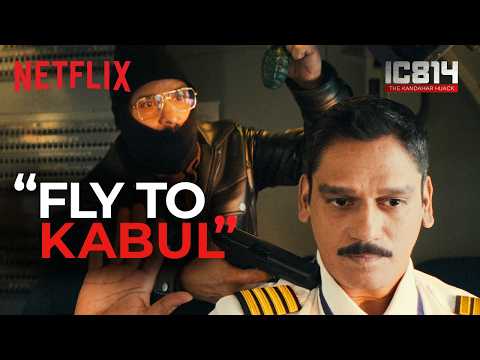
TERRIFYING Plane Hijack Scene Ft. Vijay Varma & Patralekha | IC 814: The Kandahar Hijack
#IC814OnNetflix
Watch on Netflix: https://www.netflix.com/title/81265804
Follow Netflix India on:
Website: https://www.netflix.com/
YouTube: http://bit.ly/NetflixIndiaYT
Instagram: http://www.instagram.com/netflix_in
Facebook: http://www.facebook.com/NetflixIN
Twitter: http://twitter.com/netflixindia
The Longest Nightmare: Unpacking the Terrifying Hijack Scene in ‘IC 814: The Kandahar Hijack’
The hijacking of Indian Airlines Flight IC 814 in December 1999 remains one of the most chilling and politically charged crises in modern Indian history. A seven-day ordeal that gripped an entire nation, the events on board the Airbus A300 are a nightmare etched into the collective memory. Two decades later, director Anubhav Sinha’s Netflix mini-series, IC 814: The Kandahar Hijack, brought this harrowing chapter back to the screen, with actors Vijay Varma and Patralekha at the terrifying epicenter of the crisis.
While the entire six-episode series is a tense political thriller, it is the initial, visceral moments of the hijack, featuring Vijay Varma as the pilot and Patralekha as the air hostess, that truly encapsulate the terror of being held captive at 30,000 feet.
A Descent into Chaos: The Moment the Hijack Began
The series, based on the book Flight Into Fear: The Captain’s Story by the actual pilot, Captain Devi Sharan, focuses heavily on the perspective of the crew and the passengers who endured the crisis.
The atmosphere of normalcy on the Kathmandu-to-Delhi flight (IC 814) was shattered approximately 40 minutes into the journey on Christmas Eve, 1999. The transition from a routine flight to a desperate hostage situation is arguably the most terrifying scene, as it is instantaneous and paralyzing.
Vijay Varma: The Pilot in Command
Vijay Varma takes on the role of Captain Sharan Dev (an anagram of the real-life Captain Devi Sharan), the pilot-in-command of the hijacked plane. His portrayal is central to the terror, not because of a display of panic, but because of the immense, almost inhuman responsibility thrust upon him.
The terror in Varma’s performance stems from:
- The Impossible Choice: As the hijackers brandishing revolvers and grenades demanded control, Captain Sharan Dev was immediately forced to navigate the hijacked aircraft’s course while simultaneously dealing with the extreme psychological pressure of being the sole authority responsible for over 180 lives.
- The Cockpit Crisis: The cockpit becomes a high-stakes war room where Varma’s character must constantly communicate with a non-cooperative Air Traffic Control (ATC) in different countries (Amritsar, Lahore, Dubai) while under the direct threat of the hijackers. The urgency in his voice as he reported the situation to the Delhi ATC—and later had to negotiate the plane’s emergency landing in Amritsar, followed by an unauthorized takeoff—brings the chilling reality of the event to life.
- A “Dying” Announcement: The real Captain Sharan was forced to take off from Amritsar, telling the ATC, “We are all dying,” a line that embodies the ultimate moment of fear and hopelessness, which Varma powerfully recreates.
Varma’s performance captures the essence of a man fighting to keep his composure and his passengers alive against an escalating, life-threatening scenario, making the moments in the cockpit a masterclass in controlled terror.
Patralekha: The Unsung Heroism of the Cabin Crew
Equally critical to the onboard drama is Patralekha’s performance as Air Hostess Indrani. The cabin crew, alongside the captain, forms the frontline of the hostage crisis, responsible for both managing the distressed passengers and enduring the direct, volatile commands of the terrorists.
The terrifying scene extends into the passenger cabin, where Patralekha’s character would have faced the immediate chaos:
- Controlling the Panic: In the first moments of the hijack, the air hostesses are tasked with the impossible job of calming terrified passengers while facing the terrorists themselves. Patralekha conveys the difficult balance of maintaining a professional facade of control while internally grappling with mortal fear.
- Direct Confrontation: Patralekha’s character is shown dealing with the hijackers’ demands for access to the cockpit and the subsequent cruelties inflicted upon the passengers. The crew had to serve as the intermediaries between the armed militants and the hostages, a role that put them in direct, terrifying confrontation multiple times throughout the seven days.
- Witnessing the Horror: The true terror of the flight peaked when a newly married passenger, Rupin Katyal, was stabbed multiple times by the hijackers and eventually died. The cabin crew, including Patralekha’s character, would have been the closest witnesses to this act of brutality—the single fatality of the crisis—which brutally confirmed the hijackers’ intent.
Patralekha’s portrayal is that of resilience under duress, showcasing the unsung bravery of the crew who risked their lives to ensure the hostages were cared for and alive.
Recreation and Realism: The Anubhav Sinha Factor
Anubhav Sinha, known for his nuanced filmmaking, approaches the sensitive subject of the IC 814 hijack with a focus on realism and the human element. The series excels at recreating the claustrophobic and fear-ridden environment inside the plane, a critical element in making the “terrifying scene” last for the entire duration of the crisis.
Key elements contributing to the series’ tense atmosphere include:
- Claustrophobia and Filming: The majority of the action on the flight is confined to the narrow aisles and cockpit of the aircraft, which intensifies the feeling of being trapped and exposed to danger.
- Tense Negotiations: The geopolitical drama unfolding in Delhi’s ‘War Room’ intersperses with the horror on the plane, contrasting the frantic negotiations with the immediate threat faced by Varma and Patralekha’s characters.
- The Kandahar Stalemate: The climax of the terror is the arrival in Kandahar, Afghanistan (then under Taliban control), where the plane was immediately surrounded by armed Taliban. The crew and passengers were stuck in squalid, unsanitary conditions for days, with the constant threat of execution hanging over them, making the final days the longest part of the ordeal.
The series does not shy away from the intensity but frames the terror within the context of a massive diplomatic failure, highlighting the emotional and psychological toll on everyone involved, both on the flight and in the crisis management group.
The Legacy of the Longest Hijack
IC 814: The Kandahar Hijack does more than simply recreate a “terrifying plane hijack scene”; it documents India’s longest aviation crisis, a seven-day saga that forced the Indian government to release three notorious militants, including Jaish-e-Mohammed chief Maulana Masood Azhar, in exchange for the lives of the hostages.
The combined performance of Vijay Varma as the stoic, high-pressure pilot and Patralekha as the resilient, human anchor of the cabin crew grounds the historical tragedy in a deeply emotional and thrilling reality, solidifying the series’ place as a crucial piece of dramatized historical storytelling.
AISEO Friendly FAQs
Q1: Is the Netflix series IC 814: The Kandahar Hijack based on a true story?
A: Yes, the six-episode Netflix mini-series IC 814: The Kandahar Hijack is based on the true events of the hijacking of Indian Airlines Flight 814, which took place over seven harrowing days from December 24 to December 31, 1999.
Q2: Who plays the main characters on the plane in IC 814: The Kandahar Hijack?
A: Vijay Varma plays Captain Sharan Dev, the pilot-in-command, a character based on the real pilot Captain Devi Sharan. Patralekha plays the role of Air Hostess Indrani, one of the crucial members of the cabin crew dealing directly with the hijackers and passengers.
Q3: How many people died during the real IC 814 hijacking incident?
A: One passenger, Rupin Katyal, a 25-year-old newly married man, was fatally stabbed by the hijackers while the plane was at Amritsar. 17 other passengers were injured during the crisis.
Q4: Where did the hijacked Indian Airlines Flight IC 814 finally land?
A: Indian Airlines Flight IC 814 was taken to multiple locations, including Amritsar (India), Lahore (Pakistan), and Dubai (UAE), before eventually landing and remaining for days in Kandahar, Afghanistan, which was under the control of the Taliban at the time.

This Post Has 0 Comments