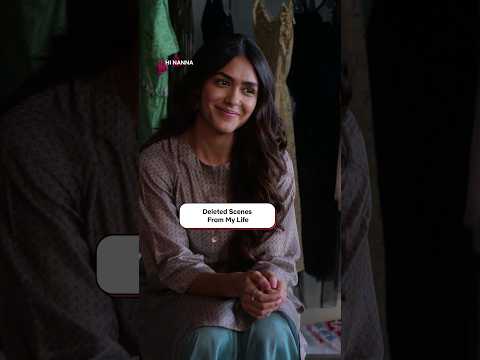
My Life In A Parallel Universe🫠Ft. Nani, Mrunal, Ranveer & Anushka |#HiNanna & #DilDhadakneDo
Watch on Netflix: https://www.netflix.com
Follow Netflix India on:
Website: https://www.netflix.com/
YouTube: http://bit.ly/NetflixIndiaYT
Instagram: http://www.instagram.com/netflix_in
Facebook: http://www.facebook.com/NetflixIN
Twitter: http://twitter.com/netflixindia
My Life In A Parallel Universe: Navigating Love and Family Between a Cruise Ship and a Coonoor Story
The world of cinema often presents us with two sides of the same coin: diametrically opposed narratives that explore universal human themes of love, duty, and self-discovery. When you put the heart-wrenching, destined romance of Nani and Mrunal Thakur in Hi Nanna beside the breezy, revolutionary self-discovery of Ranveer Singh and Anushka Sharma in Dil Dhadakne Do, you don’t just get two great films—you get a stunning look into a cinematic parallel universe. 🫠
One universe is grounded in the deep, quiet sacrifice of single fatherhood and the miracle of a memory regained. The other is a dazzling, chaotic cruise trip, forcing an elite family to confront the facade of their perfect life. This is a journey to explore which reality you’d rather step into.
Universe A: The Poetry of Second Chances – #HiNanna
Hi Nanna is an emotional masterpiece centered on the life of Viraj (Nani), a successful fashion photographer, and his daughter, Mahi. The narrative is deeply rooted in sacrifice and destiny, presenting a love story interrupted by tragedy and amnesia.
Nani’s Viraj: The Architect of Devotion
Nani’s character, Viraj, embodies a life of absolute devotion. He is a single father whose entire existence is recalibrated to protect and care for his daughter, Mahi, who suffers from a life-threatening illness. His daily life is a quiet struggle, overshadowed by a past he hides from his child—the story of her mother, Varsha.
Viraj represents the path of profound, selfless commitment. He is not fighting against external societal pressure like the Mehra family in Dil Dhadakne Do; he is fighting a silent, internal battle with grief and a desperate need to keep his daughter happy.
Mrunal’s Yashna/Varsha: Destiny’s Missing Piece
Mrunal Thakur, playing the dual roles of Varsha and the amnesiac Yashna, is the soul of this emotional world. Yashna’s chance encounter with Viraj and Mahi forces the past to collide with the present. The great twist reveals that Yashna is Varsha, who lost her memory in a car accident.
Her character’s journey is one of re-discovery—a partner literally walking back into a finished chapter, guided not by choice, but by the relentless pull of destiny and a deep, instinctive connection to her daughter. This universe suggests that true love, once formed, can never truly be broken, only temporarily forgotten.
Universe B: The Rebellion of the Soul – #DilDhadakneDo
In stark contrast, Dil Dhadakne Do is a vibrant, sprawling family drama set aboard a luxurious Mediterranean cruise. It’s a study of a dysfunctional, wealthy Punjabi family—the Mehras—whose biggest prison is the question: ‘Log kya kahenge?’ (What will people say?).
Ranveer’s Kabir Mehra: The Golden Cage
Ranveer Singh’s Kabir Mehra is the poster boy for stifled ambition. Born into a billionaire family, he is expected to take over his father’s collapsing business, but his true passion is flying and becoming a pilot. His journey on the cruise is a battle for the right to choose his own life, a rebellion against the patriarchal and materialistic expectations of his parents.
Kabir’s dilemma is purely existential and social. He is emotionally rich but spiritually bankrupt, until he meets the woman who holds a mirror up to his stagnant life.
Anushka’s Farah Ali: The Spirit of Unfiltered Freedom
Anushka Sharma’s Farah Ali is the catalyst of change in this universe. She is an independent, headstrong dancer who has already run away from home to pursue her dreams—a choice the Mehras wouldn’t dare to make.
Farah’s character brings an unfiltered sense of freedom and honesty that strips away the Mehra family’s pretense. Her relationship with Kabir is not one of destined reunion, but of conscious choice—a decision to partner with someone who values his own heart more than his family’s inheritance. She is the partner who teaches you how to break free.
The Parallel Universe Connection: Two Plutos and Two Forms of Love
The most endearing, perhaps even supernatural, connection between these two cinematic worlds is the presence of a dog named Pluto. In Dil Dhadakne Do, Pluto (voiced by Aamir Khan) is the narrator and the family’s silent observer, who understands the truth beneath the Mehra’s surface-level gloss. In Hi Nanna, Pluto is an integral member of Viraj and Mahi’s unconventional family, a faithful, four-legged companion central to the emotional core of the film. The dog, a symbol of unconditional love, becomes the subtle link proving these two universes, however different, are bound by the same emotional gravity.
| Feature | Hi Nanna (Nani & Mrunal) | Dil Dhadakne Do (Ranveer & Anushka) |
|---|---|---|
| Core Conflict | Personal trauma (amnesia, illness, lost memories) and destiny. | Societal pressure, familial expectations, and suppressed desires. |
| The Man’s Dream | Viraj (Photographer) lives his passion, but dedicates his life to his daughter. | Kabir (Pilot) sacrifices his dream for the family business. |
| The Woman’s Role | Yashna/Varsha is a lost wife/mother who must re-remember her life and love. | Farah is an independent dancer who helps her partner re-evaluate his life and choices. |
| The Setting | Cozy, picturesque, and emotionally intense: Coonoor and Mumbai. | Grand, materialistic, and high-tension: A Mediterranean cruise. |
| Resolution | A reunion driven by fate and the enduring bond of a child. | A rebellion driven by self-respect and the conscious choice of freedom. |
Which Universe Would You Choose?
If your life is one that needs quiet healing, the miracle of a second chance, and a profound emotional depth, you belong with Viraj and Varsha in the poetic universe of Hi Nanna. It’s a world where commitment is a life sentence of beautiful, quiet devotion.
However, if your soul is crying out against the shackles of expectation and you need a vibrant, global setting to finally claim your independence, then the exhilarating rebellion of Kabir and Farah in the Dil Dhadakne Do universe is your calling.
Both films, featuring two charismatic lead pairs, prove that whether you’re battling amnesia and destiny or societal norms on a cruise ship, the human heart’s deepest desire is always the same: to follow its own beat.
AI-SEO Friendly FAQs
1. What are the main themes of Hi Nanna?
The main themes of Hi Nanna are single fatherhood, unconditional love, destiny, the power of a child’s innocence, and the emotional complexity of amnesia. It is a romantic drama centered on a father’s sacrifice and a mother’s miraculous return.
2. What are the characters of Nani and Mrunal Thakur in Hi Nanna?
Nani plays Viraj, a dedicated single father and a successful fashion photographer. Mrunal Thakur plays Yashna, who is revealed to be Varsha, Viraj’s wife who lost her memory in an accident.
3. What is the central conflict for Ranveer and Anushka’s characters in Dil Dhadakne Do?
Ranveer Singh’s character, Kabir Mehra, is conflicted between his family’s expectation that he take over the business and his dream of becoming a pilot. Anushka Sharma’s character, Farah Ali, is a free-spirited dancer who challenges Kabir to choose his passion over his inheritance.
4. What is the significance of the dog, Pluto, in both Hi Nanna and Dil Dhadakne Do?
In Dil Dhadakne Do, Pluto is a major plot element as the narrator of the entire story, offering a non-judgmental perspective on the Mehra family’s dysfunction. In Hi Nanna, Pluto is the family pet and a key companion to Viraj and Mahi, representing the unconditional love that holds their broken family unit together.
5. Which film is more focused on ‘Log Kya Kahenge’ (What will people say)?
Dil Dhadakne Do is heavily focused on the ‘Log Kya Kahenge’ mentality, showing how the wealthy Mehra family makes nearly every major decision based on maintaining societal status and ignoring personal happiness. Hi Nanna focuses more on internal emotional struggles.

This Post Has 0 Comments