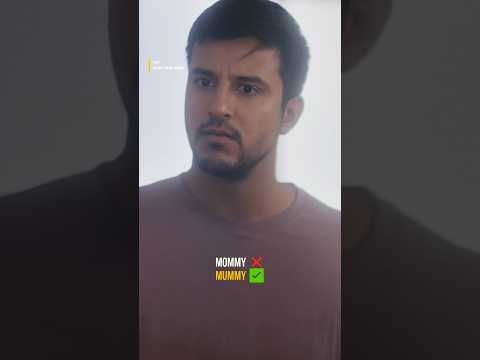
Mummy se behtar koi nahi!😂 | #VeryParivarik EP6 Out Now | #TVF #Shorts
“Mummy Se Behtar Koi Nahi!”: Why TVF’s Very Parivarik Episode 6 is the Ultimate Ode to the Indian Mom
In the vast landscape of Indian digital content, few creators understand the subtle, chaotic, and heartwarming dynamics of a modern Indian family quite like The Viral Fever (TVF). Their latest weekly offering, Very Parivarik (Very पारिवारिक), has quickly become a cultural touchstone, masterfully blending generational comedy with genuine emotion. The series hit a viral peak with its sixth episode, and the catchphrase that encapsulated its core message—”Mummy se behtar koi nahi!” (No one is better than Mom!)—immediately resonated across the nation.
This article delves into the success of Very Parivarik, the specific context of its sixth episode, and why the “unbeatable Mom” remains the greatest source of both comedy and comfort in the Indian household.
The World of Very Parivarik: Clashing Generations, Viral Success
Very Parivarik flips the script on the idealized “perfect family” stories, diving headfirst into the inevitable chaos that ensues when traditional parents move in with their modern, city-dwelling children. The series centers around Anish (Pranay Pachauri), an IT professional, and his wife Shelly (Srishti Rindani), who works in the film industry, navigating their life in Mumbai. Their world is upended by the arrival of Anish’s parents, Shakuntala (Kanupriya Pandit) and Awadh Raj (Paritosh Sand), representing the quintessential North Indian parental unit—one a pragmatic, sometimes overly-dramatic mother, and the other a stern yet secretly soft-hearted father.
The show’s genius lies in its relatability, capturing the micro-tensions of an intergenerational household, from arguments over the right way to cook a meal to the clash between ‘live-in’ dating norms and traditional marriage values. This authentic storytelling has made Very Parivarik a massive success, with all its initial episodes consistently trending in the top 5 on YouTube.
Episode 6: ‘Maid: The Didi’ and the Irreplaceable Mom
The sixth episode of the first season, titled ‘Maid: The Didi’, is the context behind the viral phrase, and it expertly brings the central theme of ‘Mummy se behtar koi nahi!’ to the forefront.
While the exact comedic sequence that generated the line is part of the short’s magic, the episode’s title suggests a scenario where Shelly and Anish likely attempt to introduce a domestic helper (Didi) to the household to streamline the work or perhaps mitigate the mother-in-law’s control over the kitchen and chores.
The humor, and the eventual realization that leads to the titular phrase, is born out of one of two scenarios:
- The Competence Gap: The Didi, no matter how efficient, cannot match the mother’s intrinsic knowledge of the family’s unique quirks—the exact shade of garam masala Anish likes, the perfect crispness of the roti, or the specific way a piece of furniture must be dusted.
- The Emotional Vacuum: The hired help can manage chores, but they cannot provide the unsolicited advice, the over-the-top care, or the deeply rooted emotional anchor that the mother represents.
This setup brilliantly illustrates that an Indian mother’s role is not merely transactional (a cleaner or a cook), but is, in fact, the essential administrative, logistical, and emotional CEO of the home.
The Unbeatable ‘Mummy’ Formula in the Digital Age
The “Mummy se behtar koi nahi!” sentiment resonates deeply because it taps into a universal truth for Indians worldwide: the mother is the ultimate solution provider.
1. The Culinary Master: The Taste No App Can Deliver
No matter how many recipes Anish and Shelly save on their phones, the taste of Maa Ke Haath Ka Khana (food made by Mom’s hands) remains incomparable. Shakuntala’s ability to intuitively know the family’s favorite dishes, and her steadfast belief in traditional cooking methods, instantly renders any other cook—professional or hired—secondary.
2. The Unpaid, Unmatched Manager
Indian mothers are often the default supply chain, finance, and human resources managers of the family. From finding a lost object instantly (“Arey, tumne kahan rakha tha?”) to budgeting expenses, their management efficiency is a source of comedy for the children but a silent pillar of the household’s stability. When a Didi is hired, the children realize that while they gained a helper, they lost an expert.
3. The Emotional Anchor
Ultimately, the mother is the one who dispenses unconditional love, regardless of how much drama the kids cause. She is the first to worry when someone is late and the last to judge when someone makes a mistake. This profound, non-contractual commitment is the core reason the phrase “Mummy se behtar koi nahi!” carries such genuine emotional weight, even when delivered with a comical sigh.
The TVF Effect: Turning Relatability into Virality
TVF’s success with Very Parivarik lies in its ability to take an everyday, often tedious, family struggle and elevate it into a viral, shareable piece of content. By framing the series as a weekly episodic show, TVF has turned the anticipation of the next family drama into a communal event, allowing millions to laugh at their own lives every week.
‘Mummy se behtar koi nahi!’ is not just a catchy phrase; it is a reflection of the enduring, irreplaceable role of the mother in a culture where family is everything. TVF has simply given this sentiment a modern, hilarious new voice.
AISEO Friendly FAQs
Q1: What is Very Parivarik and which episode is ‘Mummy se behtar koi nahi!’ linked to?
A: Very Parivarik is a popular TVF (The Viral Fever) comedy-drama web series that explores the dynamics of a modern Indian couple, Anish and Shelly, adjusting to life with Anish’s traditional parents. The viral phrase “Mummy se behtar koi nahi!” is linked to Season 1, Episode 6, titled ‘Maid: The Didi’.
Q2: Who are the main characters in the Very Parivarik series?
A: The main cast includes Anish (Pranay Pachauri) and Shelly (Srishti Rindani) as the modern couple, and Anish’s parents, Shakuntala (Kanupriya Pandit) and Awadh Raj (Paritosh Sand).
Q3: Why is the phrase “Mummy se behtar koi nahi!” so popular in the context of the series?
A: The phrase went viral because it encapsulates the central theme of the episode ‘Maid: The Didi’ and the entire series—the mother’s role is irreplaceable. It humorously highlights that no one, not even hired help, can match the unparalleled expertise, care, and emotional commitment of the Indian mother in managing the household.
Q4: Where can I watch Very Parivarik?
A: Very Parivarik is available to watch on TVF’s official YouTube channel, which releases new episodes on a weekly basis.

This Post Has 0 Comments