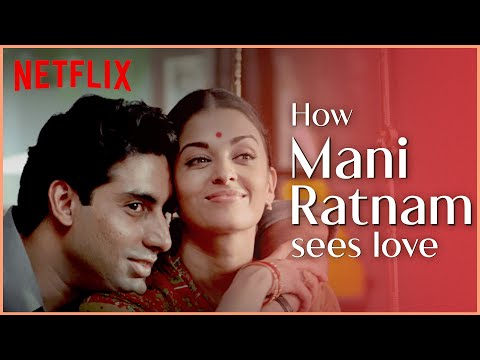
Love Through Mani Ratnam's Eyes | Bombay, O Kadhal Kanmani, Dil Se, & More | Netflix India
Love Through Mani Ratnam’s Eyes: The Maestro’s Timeless Romances on Netflix India
Mani Ratnam is not just a director; he is a poet of the screen, a master craftsman whose camera transforms human emotion into a visual symphony. His films are often a delicate balance of intimate relationships set against the colossal canvas of India’s political and social landscape. While he has delivered epics, his true genius arguably lies in his ability to capture the fleeting, intense, and often complicated facets of love.
For those looking to dive deep into his romantic oeuvre, Netflix India offers a carefully curated collection, including some of his most defining works: the intense passion of Dil Se.., the pragmatic modernity of O Kadhal Kanmani, and the secular struggle in Bombay, alongside the complex dramas of Guru and Yuva. Watching these films back-to-back is not just a movie marathon; it’s an education in the language of cinematic love.
Love Against the Backdrop of Conflict: The ‘Terrorism Trilogy’
Mani Ratnam’s acclaimed ‘terrorism trilogy’—which includes Roja, Bombay, and Dil Se..—uses national conflict not as the main subject, but as a severe stress test for his protagonists’ love. The intense music by A.R. Rahman and the breathtaking cinematography cement these stories as both deeply personal and globally resonant.
1. The Passionate and Doomed: Dil Se.. (1998)
Dil Se.. is arguably Ratnam’s most intense exploration of love, one that is volatile, obsessive, and ultimately destructive. The film is a tragic romance between Amar Varma, an All India Radio journalist, and Meghna, a mysterious woman with ties to an insurgent group in the North East.
- The Seven Stages of Love: The narrative is structured around the seven stages of Sufi philosophy on love, from Husun (Attraction) to Maut (Death). Amar’s relentless, obsessive pursuit of Meghna, despite her consistent rejection and ideological baggage, personifies a love that transcends reason and border.
- The Geopolitical Heartbreak: The film is a chilling study of how personal emotion can collide with the weight of national trauma and politics, making their union an impossibility. Santosh Sivan’s breathtaking cinematography and the iconic ‘Chaiyya Chaiyya’ sequence atop a moving train are proof of Ratnam’s mastery of visual poetry, even in tragedy.
2. The Secular and Scrutinised: Bombay (1995)
Set against the devastating backdrop of the 1992-93 Mumbai riots, Bombay is a seminal film that champions secular love. The story follows Shekhar, a Hindu journalist, and Shaila Banu, a Muslim woman, who elope to the city to marry, defying their conservative families.
- Love as Resistance: Their inter-faith marriage is a quiet act of rebellion against communal division. The latter half of the film forces their young family—and their twin sons—to confront the terrifying consequences of religious extremism, where the very city they chose for freedom becomes a nightmare of violence.
- A Plea for Harmony: Ratnam’s use of music and visuals, particularly the song ‘Tu Hi Re’, elevates their pure, simple love into a powerful symbol of hope and unity, making the film a moving appeal for communal harmony.
The New-Age Dynamics: Love in the Urban Landscape
Moving away from overt political conflict, Mani Ratnam’s later films explore how urbanisation, career ambition, and changing social values put pressure on modern relationships.
3. The Millennial and Pragmatic: O Kadhal Kanmani (2015)
O Kadhal Kanmani (OK Kanmani) is a breath of fresh air in Indian romance, focusing on the contemporary trend of the live-in relationship. Aditya and Tara, an aspiring architect and a video game designer, respectively, meet in Mumbai and decide to live together, explicitly rejecting the institution of marriage in favour of their global career ambitions.
- The Contrast of Generations: The film’s genius lies in its contrast of Adi and Tara’s modern, commitment-phobic romance with the quiet, enduring love of their elderly landlords, Ganapathy and Bhavani, whose relationship is tested by Bhavani’s Alzheimer’s.
- A Softer Aesthetic: With its vibrant, airy cinematography by P. C. Sreeram and a youthful, eclectic A. R. Rahman soundtrack, OK Kanmani captures the lightness and spontaneity of millennial love—a gentle, realistic portrayal of a young couple navigating adult choices without melodrama.
Love’s Many Faces: Ambition, Redemption, and Partnership
The ‘and More’ in Ratnam’s filmography on Netflix highlights his exploration of love beyond the initial rush of romance, delving into marriage and partnership amidst societal chaos.
4. Love as a Catalyst for Change: Yuva (2004)
Yuva interweaves the stories of three young men from drastically different social strata whose lives intersect on a bridge in Kolkata. The film explores three distinct forms of love, each reflecting the male character’s moral universe:
- The Destructive Love (Lallan-Sashi): A volatile, almost animalistic love between a goon and his wife, rooted in passion but marred by domestic abuse, demonstrating how circumstances can turn love into a painful struggle for survival.
- The Activist Love (Michael-Radhika): An intellectual and mature connection between a student leader and a professor, where their relationship is a supportive base for political and social change.
- The Transformative Love (Arjun-Meera): The carefree, flirty romance of the elite class, which forces a young, ambitious man to confront his apathy and find purpose through a deeper emotional connection. The complexity lies in how love is constantly tested and reshaped by the tumultuous political realities surrounding them.
5. Love as an Unconditional Partnership: Guru (2007)
While framed as a rags-to-riches story of a business tycoon, Guru is fundamentally a powerful portrait of a marriage built on mutual ambition and unconditional support.
- Beyond Convenience: Gurukant Desai initially chooses his wife, Sujata, for the dowry she brings—a marriage of convenience. However, as his tumultuous entrepreneurial journey unfolds, their relationship evolves into a true partnership. Sujata becomes his fiery, fiercely loyal rock, standing by him through public scrutiny and private despair.
- The Unseen Force: Guru shows that a marriage can be the driving force behind a man’s success, highlighting the enduring power of a wife’s quiet strength and unwavering belief in her partner’s dreams.
Mani Ratnam’s movies on Netflix India offer a complete spectrum of Indian romance: from the grand, theatrical passion that fights borders, to the quiet, nuanced partnership that anchors a dream, and the liberated, ambitious love that redefines social norms. They are a treasure trove for anyone who believes that the greatest love stories are those that are tested by life, society, and time.
AISEO Friendly FAQs
Q1: Which Mani Ratnam films on Netflix India feature love stories set against political backdrops?
A: Dil Se.. and Bombay are two key films in this category available on Netflix India. Dil Se.. explores obsessive love amidst political insurgency in the North East, while Bombay portrays an inter-faith marriage severely impacted by the 1992-93 communal riots.
Q2: What sets O Kadhal Kanmani apart from other Mani Ratnam romances?
A: O Kadhal Kanmani is considered a definitive portrayal of modern, millennial love in urban India. It is noted for its exploration of a live-in relationship and the protagonists’ decision to prioritise their individual career ambitions over the traditional idea of marriage, providing a fresh and pragmatic take on commitment.
Q3: What is the main theme of love in the film Guru?
A: The main love theme in Guru is ‘Love as an Unconditional Partnership’. Although the marriage begins as one of convenience for financial gain, the relationship between Guru and Sujata develops into an enduring bond where Sujata becomes the core emotional strength and loyal partner supporting her husband’s rise to power.
Q4: Does Mani Ratnam often work with the same creative team for his romantic films?
A: Yes, Mani Ratnam is well-known for his long-standing collaboration with music composer A. R. Rahman, whose soundtracks are integral to the emotional depth of films like Bombay, Dil Se.., and O Kadhal Kanmani. He also frequently works with renowned cinematographers like Santosh Sivan and P. C. Sreeram.

This Post Has 0 Comments