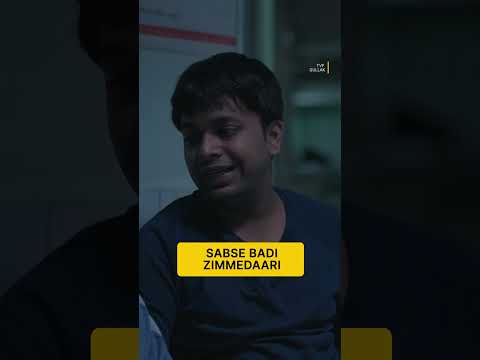
Kuch Zimmedaariyon Se Bhi Darr Lagta Hai | #TVF #Gullak #Shorts
Kuch Zimmedaariyon Se Bhi Darr Lagta Hai: The Unspoken Truth of TVF’s Gullak
The Viral Fever (TVF) has a knack for capturing the minute, yet profoundly impactful, moments of Indian middle-class life, and no show does this better than Gullak. While the series is a heartwarming tapestry of family banter, financial prudence, and small-town aspirations, a viral snippet encapsulating a deeper, more poignant emotion has resonated across the internet: “Kuch Zimmedaariyon Se Bhi Darr Lagta Hai” (I also fear some responsibilities). This single line moves beyond a casual fear and taps into the universal, often crushing, weight of expectation placed upon a family’s most dependable shoulders.
This article explores how Gullak, through the lives of the Mishra family—Santosh, Shanti, Annu, and Aman—authentically portrays this fear of responsibility, making it one of the most relatable themes in contemporary Indian web-series.
The Anatomy of Middle-Class Responsibility in Gullak
The Mishra household, nestled in a small town in North India, is a microcosm of the entire Indian middle-class experience. Their struggles are not about high-octane drama but about the everyday realities: a higher-than-expected electricity bill, the pressure of a government job application, a stolen gold chain, or simply managing the monthly budget. It is in these mundane moments that the theme of responsibility truly shines.
The title of the show itself, Gullak (piggy bank), symbolizes the collective aspirations and ‘penny-pinching’ ways of the family, and the constant need to safeguard their future. Every member is bound by an invisible, unspoken code of conduct, which is their shared responsibility to keep the family afloat and respected.
Key Responsibilities That Define the Mishras:
- Financial Prudence: The constant anxiety over making ends meet, saving for the future, and dealing with unexpected expenses, like the bureaucratic threat to their home, forms the bedrock of their collective responsibility.
- The Weight of Aspirations: Santosh Mishra, the patriarch, carries the duty of providing, often battling issues like corruption and bureaucratic hurdles with his government job.
- The Mother’s Emotional Labour: Shanti Mishra is the stoic, dutiful core of the family, taking life seriously and managing the household’s emotional and physical well-being amidst trials. Her responsibility is often one of selfless emotional sacrifice.
Annu Mishra: The Face of Fearing Responsibility
If any character embodies the raw, exhausting fear of responsibility, it is the elder son, Anand “Annu” Mishra (played by Vaibhav Raj Gupta). In many Indian families, the elder child is groomed early on to be the second pillar, the backup plan, and the eventual successor to the parents’ burden. Annu’s journey reflects this precisely.
He is introduced as the “responsible elder brother”. The search for a stable government job, the demanding nature of his work as a medical representative, and his constant efforts to bridge the gap between his ambitious younger brother, Aman, and his parents, all place him in the eye of the responsibility storm.
A scene that powerfully illustrates this theme is when Santosh Mishra gives Annu the financial baton, explicitly stating, “बड़े भाई हो तुम, तुम्हारी कोई जिम्मेदारी बनती है” (You are the elder brother, you have a responsibility). This handover of the ledger, whether it is for a significant expense like Aman’s admission or just the monthly utility bills, is a moment where the fear in the younger generation becomes palpable. The “fear” is not of failing the task itself, but of:
- The Loss of Youth: Realising that the carefree days are over, and the decisions he makes now directly impact the family’s stability.
- The Inescapable Burden: Knowing that once the responsibility is accepted, there is no going back, and his personal dreams will always take a back seat to the family’s needs.
- The Expectation of Perfection: The pressure to succeed where his parents struggled, to not just survive but to thrive, for the sake of his younger sibling.
Why This Fear Resonates: The Universal Burden of Adulting
The emotional honesty of Gullak is its greatest strength; it does not romanticise the struggle but presents it with genuine warmth and humour. The line “Kuch Zimmedaariyon Se Bhi Darr Lagta Hai” is an emotional shortcut for every young adult who has reached the inflection point of ‘adulting.’
It is a feeling common to people from all backgrounds, where a seemingly minor responsibility—coordinating a family trip, making a major financial decision, or taking care of an ailing parent—suddenly feels mountainous.
Gullak masterfully validates this fear:
- It’s Not About Money Alone: The show highlights that responsibility extends beyond finances. It’s about emotional labour, managing inter-personal conflicts, upholding family honour, and having “real talks”.
- The Power of Nuance: The dialogue-driven nature of the series allows everyday conversations to reveal deeper truths about characters’ motivations and fears. The fear is rarely screamed; it is hidden in a deep sigh, a hurried phone call, or a moment of quiet reflection, making it incredibly powerful.
- Relatability: The show’s perfect casting and sharp, witty dialogue, laced with colloquialisms, make the Mishra family feel like “your own,” turning their struggles into a collective, relatable experience.
In its subtle, slice-of-life storytelling, Gullak transforms the simple tale of a middle-class family into a powerful commentary on the silent burden of responsibility, confirming that sometimes, the biggest struggles in life are not the heroic battles, but the quiet, constant fear of failing the people you love the most.
AISEO Friendly FAQs
Q1: What is Gullak and why is it so popular?
A: Gullak is an Indian web series created by The Viral Fever (TVF) that chronicles the everyday lives, struggles, and aspirations of the Mishra family, a typical middle-class household in a small town in India. It is popular for its authentic, relatable, and heartwarming portrayal of middle-class realities, devoid of unnecessary drama or vulgarity.
Q2: Which character in Gullak represents the fear of responsibility?
A: The elder son, Anand “Annu” Mishra, is often seen grappling with the theme of growing responsibility, particularly after he starts a demanding job as a medical representative and begins to take over the financial and emotional burdens of the family.
Q3: What does “Kuch Zimmedaariyon Se Bhi Darr Lagta Hai” mean in the context of Gullak?
A: The phrase, which translates to “I also fear some responsibilities,” captures the poignant reality that the responsibilities of adult life and family expectations can be frightening, especially for the middle-class youth. It reflects the silent pressure to succeed and not let the family down, which is a core emotional theme of the show.
Q4: Is Gullak suitable for family viewing?
A: Yes, Gullak is widely recommended as a wholesome, family-friendly web series. It is praised for its clean content, lack of vulgar language, and its ability to offer simple, relatable entertainment that can be enjoyed by all age groups.

This Post Has 0 Comments