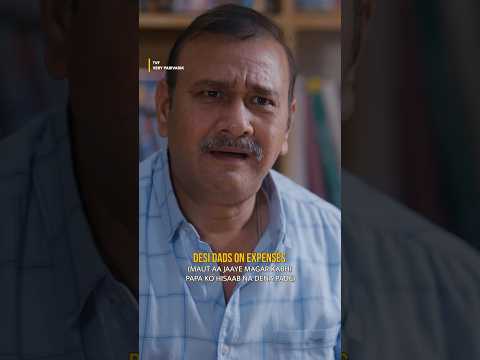
Indian Father’s Rant | #VeryParivarik EP6 Out Now | #TVF #Shorts
The Viral Fever Captures Lightning: Why the ‘Indian Father’s Rant’ in Very Parivarik EP6 is Pure Gold
The Viral Fever (TVF) has mastered the art of bottling the chaotic, endearing, and intensely relatable experience of the contemporary Indian family. From the quiet humour of a village secretary in Panchayat to the generation-gap comedy of Gullak, their content resonates deeply by transforming everyday domestic situations into compelling narratives. Their weekly show, Very Parivarik, has continued this tradition, and its sixth installment, particularly the promoted short titled ‘Indian Father’s Rant,’ struck a universal chord by focusing on a comedic flashpoint found in nearly every urban Indian home: the domestic help dilemma.
The clip, which serves as a promotional highlight for Very Parivarik Episode 6, titled “Maid: The Didi,” encapsulates everything TVF does best: sharp dialogue, genuine emotional conflict, and comedy rooted in the clash between traditional mindsets and modern city life.
The Very Parivarik Phenomenon: Tradition Meets the Metropolis
Very Parivarik centers on a modern couple, Anish (an IT professional) and Shelly (from the film industry), whose fast-paced Mumbai life is upended when their parents move in. This setup provides a rich canvas for exploring the generational and cultural gaps that define many Indian families today. The show became TVF’s first successful foray into a weekly show format on YouTube, a testament to its consistent relatability.
The series thrives on juxtaposing the liberal, urban lifestyle of the children with the more conventional, often judgmental, yet fiercely loving perspectives of their parents. The patriarch of the family—the Indian father—is the cornerstone of this friction, and a character archetype TVF has explored brilliantly across several titles, including the popular short series Tech Conversations with My Dad and F.A.T.H.E.R.S.
EP6: “Maid: The Didi” – An Urban Indian Classic
Episode 6, “Maid: The Didi,” zeroes in on a topic that causes more family drama than almost any other in Indian metropolitan life: the domestic help. The ‘Didi’ (or ‘Bai’) is often less of an employee and more of a co-dependent family member whose presence, absence, or performance can dictate the entire household’s mood.
The central conflict of this episode, and the catalyst for the famous ‘Indian Father’s Rant,’ likely stems from one of the following common scenarios:
- The Loyalty Test: The father finds the maid’s work ethic unacceptable, clashing with the modern couple’s more lenient, professionalized approach to management.
- The Comparison: The father inevitably recalls his time, comparing the current maid’s wages, time-off demands, or work quality to the “good old days” when domestic help was supposedly more diligent and less demanding.
- The Cost of Living: The core of the rant often boils down to a classic fatherly complaint about money: “We are paying so much, but what are we getting in return?”—a phrase that echoes the Indian middle-class anxieties about value and expenses.
This topic ensures maximum audience connect, as nearly every Indian viewer has a story or a complaint about their own domestic situation.
The Anatomy of the ‘Indian Father’s Rant’
The power of TVF’s ‘Indian Father’ character is that his rants, while seemingly harsh or disproportionately dramatic, are universally recognizable as a form of communication rooted in care and tradition, not malice.
The “rant” typically follows a specific, effective comedic formula:
- The Dramatic Escalation: A minor inconvenience (e.g., a dish left unwashed or an unexpected day off) is immediately escalated into a major crisis about the decline of society, discipline, and family values.
- The Use of Hyperbole: The language is never subtle. Phrases about how the money could be better spent (“I could buy half a state for this much money!”) or dramatic pronouncements (“This is not my sanskaar!”) are mandatory.
- The Nostalgia Trap: The rant always circles back to the father’s youth and the “hardship” he endured to raise his children, a classic emotional play that instantly silences the modern kids.
- The Quick Resolution: Unlike Western sitcoms, the Indian father’s rant in TVF shows often ends with a moment of heartwarming, quiet realization or a simple act of love (like making tea), reminding the audience that the frustration comes from an outdated but deep-seated desire to protect the family.
In Very Parivarik, the father’s role is to act as the grounded, traditional counterweight to the new-age struggles of Anish and Shelly, often providing the most dramatic—and therefore most viral—moments of the show.
Why TVF’s Family Content Continues to Go Viral
The sheer popularity of a short titled simply “Indian Father’s Rant” highlights TVF’s ability to tap into the digital zeitgeist. Their shows thrive because they avoid the overly dramatic tropes of traditional television, opting instead for slice-of-life narratives that are a mirror to the viewers’ homes.
Very Parivarik successfully showcases that the true essence of an Indian family lies not in the grand, sweeping moments, but in the small, funny, and frustrating conversations: the passive-aggressive dinner table arguments, the relentless comparing of children, and, of course, the dramatic, yet ultimately harmless, rant from the man of the house. By highlighting these moments in digestible “shorts” like the one from EP6, TVF ensures the content is not only a hit on their YouTube channel but also becomes an instantly shareable cultural artifact.
AISEO Friendly FAQs
Q1: What is Very Parivarik about?
Very Parivarik is a popular TVF weekly web series that follows the comedic and relatable struggles of a modern Indian couple, Anish and Shelly, who are navigating their fast-paced life in Mumbai after their traditional parents move in with them, exploring the hilarious generational and cultural gaps.
Q2: What is the full title of Very Parivarik Episode 6?
The full title of Very Parivarik Episode 6 is “Maid: The Didi,” which focuses on the quintessential urban Indian household drama surrounding domestic help. The promotional clip “Indian Father’s Rant” became a popular short from this episode.
Q3: Why is TVF’s portrayal of the Indian father so popular?
TVF’s portrayal of the Indian father, seen in series like Very Parivarik, Gullak, and Tech Conversations with My Dad, is popular because it captures the universal Indian experience of a patriarch whose sternness and dramatic ‘rants’ are always underscored by a deep, unconditional love and old-school values. This blend of comedy and heart makes the characters highly relatable.
Q4: Where can I watch Very Parivarik?
Very Parivarik is primarily released as a weekly show on The Viral Fever’s (TVF) official YouTube channel.

This Post Has 0 Comments