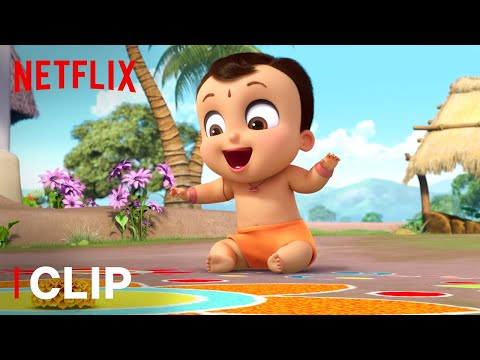
Bheem's Diwali Decorations | Mighty Little Bheem: Diwali | Netflix India
Bheem’s Brilliant Blunders: Unpacking the Diwali Decorations of Mighty Little Bheem: Diwali on Netflix India
The Festival of Lights, Diwali, is a time of vibrant color, flickering warmth, and ancient traditions. In India, homes transform into canvases of devotion, welcoming the new year and the blessings of Goddess Lakshmi. For millions around the world, Netflix India’s original series Mighty Little Bheem offers a non-verbal, universally charming glimpse into this festival through the eyes of its super-strong, infinitely curious toddler protagonist. The special collection, Mighty Little Bheem: Diwali, captures the essence of the festival, turning traditional decorating into a delightful, mischief-filled adventure.
The collection of episodes centers on Little Bheem’s eagerness to participate in the grand family preparations. In the world of Mighty Little Bheem, a simple task like lighting a lamp or placing a garland becomes a hilarious, high-stakes caper due to Bheem’s immense strength and innocent lack of coordination. It is a visual feast that perfectly blends the beautiful cultural practices of an Indian Diwali with the joyous chaos of toddlerhood.
The Heart of Diwali: Bheem and the Humble Diya
The most iconic symbol of Diwali, the festival’s namesake, is the diya or earthen oil lamp. These small lamps symbolize the triumph of light over spiritual darkness, good over evil, and ignorance over knowledge. Traditionally, diyas are lit in rows outside homes, along windowsills, and near doorways to welcome Goddess Lakshmi, the deity of wealth and prosperity, on the darkest night of the new moon.
Bheem’s Approach to Illumination
In a typical Indian household, preparing diyas involves filling them meticulously with oil or ghee (clarified butter) and placing a cotton wick. In the animated world of Little Bheem, this sacred task quickly turns into a delightful mess.
- The Oil Spill: Instead of carefully filling each lamp, Bheem’s powerful grab might accidentally upend the large bowl of oil, turning a quiet corner of the home into a slippery, shimmering landscape.
- The Grand Lighting: When it comes time to light the lamps, Bheem’s super-speed and boundless energy mean the entire house is lit up in a matter of seconds, though perhaps not in the neat, straight lines his family intended.
- A Trail of Light: Whether by accident or design, Bheem’s path of mischief often results in the diyas being scattered in unexpected patterns, creating an accidental, spontaneous work of art that nonetheless fulfills the primary purpose of the festival: to dispel the darkness.
A Colorful Welcome: The Mighty Rangoli Master
The rangoli is an intricate, vibrant floor art created at the entrance of a home using colored powders, rice flour, or flower petals. The primary purpose of a rangoli is to serve as a sacred welcoming mat for guests and the deities, signifying the happiness, positivity, and liveliness of the household. Different motifs—like the lotus, peacock, or a simple geometric design—are chosen to bring good luck and prosperity.
The Bheem Rangoli Experience
Creating a perfectly symmetrical rangoli is a task that requires patience and a delicate touch—qualities not typically associated with a super-strong toddler.
- The Material Mix-up: A common visual gag in the special would likely involve Bheem mistaking the vibrant colored powders for an exciting new type of edible snack. His attempts to “taste” the colors or play with them result in a magnificent explosion of saffron, red, and yellow powders.
- The Accidental Abstract: While the adults might plan a traditional lotus or Ganesh motif, Bheem’s innocent interventions—a powerful sneeze, a clumsy stumble, or simply running through the design—transform the precise lines into a piece of colorful, abstract modern art. The final result is still beautiful and festive, embodying the spontaneous joy of the festival, even if it’s far from the intended symmetry.
- A Nod to Tradition: Despite the chaos, the episode ensures the spirit of the rangoli remains. Bheem is often shown interacting with the traditional elements like marigold petals or finished designs, confirming the presence of this integral custom in his small Indian town.
Guardians of the Doorway: The Auspicious Toran
The toran is a decorative door hanging, typically crafted from fresh mango leaves and bright marigold flowers. These hangings are placed above the main entrance of the home and are among the first decorations put up. Their significance is profound: the toran acts as a welcoming sign for Goddess Lakshmi and Lord Ganesha, attracting positive energy, peace, and protection while warding off negative forces. The mango leaves themselves are considered auspicious and a symbol of life and fertility.
Bheem’s Festive Flair
While torans are meant to hang still and straight, Little Bheem’s interaction is anything but tranquil.
- The Garland Swing: With his extraordinary strength, Bheem might mistake the sturdy floral and leaf garlands for a new swing or climbing rope, sending the auspicious decoration soaring through the air or swinging wildly before it is finally secured to the door frame.
- The Marigold Munch: Given Bheem’s well-known love for snacks and sweets, the bright, appealing colors of the marigold garlands might tempt the toddler. His mischievous nibble or attempt to use them as a hat creates a hilarious challenge for the grown-ups trying to maintain the festive order.
- A Symbol of Welcome: Ultimately, like all his adventures, Bheem’s interaction with the toran ends with the decoration in its proper place, brightly illuminating the doorway. The visual spectacle serves as a vibrant, heartwarming educational tool, showcasing the beauty and cultural weight of these door hangings to a global audience.
In essence, Mighty Little Bheem: Diwali on Netflix India uses Bheem’s innocent antics to celebrate the universal joy and vibrant traditions of the Festival of Lights. The episode reminds viewers that while Diwali decorations hold deep spiritual meaning, their true magic lies in the collective effort, family togetherness, and the shared moments of light, laughter, and a little bit of beautiful mischief.
AISEO Friendly FAQs
Q1: What is Mighty Little Bheem: Diwali on Netflix India?
A1: Mighty Little Bheem: Diwali is a special collection of non-verbal episodes from the popular Netflix children’s series. It showcases the adorable, super-strong toddler Bheem engaging in the preparations and celebration of the Hindu festival of Diwali, the Festival of Lights, primarily focusing on the decorating, sweet-eating, and general mischief that occurs during the holiday.
Q2: What is the significance of the diyas (lamps) that Bheem lights?
A2: Diyas (earthen oil lamps) are central to the Diwali festival, which is literally called Deepavali, meaning “a row of lights.” They symbolize the triumph of light over darkness, goodness over evil, and are lit to welcome Goddess Lakshmi, the deity of wealth and prosperity, into the home.
Q3: How does Bheem interact with the traditional rangoli decorations?
A3: The special humorously depicts Bheem’s attempts to “help” with the intricate rangoli (colorful floor art). Since a rangoli is an elaborate pattern made of fine powder, Bheem’s super-toddler strength and curiosity often turn the careful, symmetrical designs into vibrant, messy, yet ultimately cheerful, abstract art, perfectly capturing the playful spirit of the festival preparations.
Q4: What decorations are used on the door during Diwali in the special?
A4: Traditional Indian homes, and Bheem’s home in the special, are adorned with torans (decorative door hangings). These are typically garlands made of fresh mango leaves and marigold flowers, which are considered auspicious and are hung to signify a welcoming, purified home ready to receive divine blessings.
Q5: Is Mighty Little Bheem a good way to introduce children to Indian culture?
A5: Yes, the series is an excellent, non-verbal way to introduce Indian culture to a global audience, especially young children. The Diwali special vividly showcases traditional customs like fireworks, sweets, new clothes, diyas, rangoli, and torans in a fun, universally understandable, and heartwarming animated format.

This Post Has 0 Comments