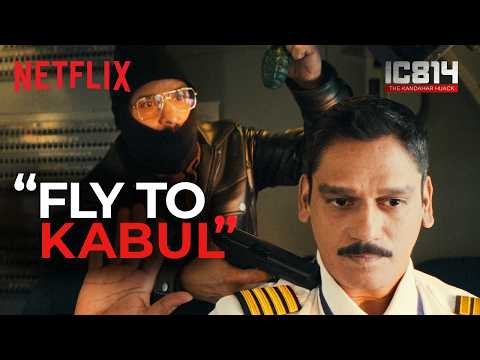
TERRIFYING Plane Hijack Scene Ft. Vijay Varma & Patralekha | IC 814: The Kandahar Hijack
#IC814OnNetflix
Watch on Netflix: https://www.netflix.com/title/81265804
Follow Netflix India on:
Website: https://www.netflix.com/
YouTube: http://bit.ly/NetflixIndiaYT
Instagram: http://www.instagram.com/netflix_in
Facebook: http://www.facebook.com/NetflixIN
Twitter: http://twitter.com/netflixindia
The Air of Terror: Analyzing the Terrifying Hijack Scene in ‘IC 814: The Kandahar Hijack’
The hijacking of Indian Airlines Flight IC 814 in December 1999 remains one of the most tumultuous and politically charged aviation crises in modern Indian history. For seven harrowing days, 176 passengers and 15 crew members were held hostage by five terrorists. Netflix’s limited series, IC 814: The Kandahar Hijack, directed by Anubhav Sinha, meticulously reconstructs this real-life nightmare, focusing intensely on the claustrophobic terror aboard the aircraft and the tense political negotiations on the ground. At the heart of this airborne crisis are the restrained yet powerful performances of Vijay Varma as the pilot, Captain Sharan Dev, and Patralekha as the resilient flight attendant, Indrani.
The series premiere plunges the viewer instantly into the terrifying plane hijack scene—the moment normalcy dissolves into sheer panic. This is where Varma and Patralekha truly anchor the viewer’s experience, embodying the thin line between professional duty and mortal fear.
The Moment of Invasion: From Kathmandu to Crisis
The initial moments of the hijacking are among the most difficult to watch, capturing the swift, brutal shift in control. The episode avoids sensationalism, focusing instead on the procedural horror of an airplane being taken over by armed men.
The shift in mood is palpable:
- The Hijackers’ Threat: The terrorists—operating under codenames like ‘Chief’ and ‘Shankar’—force their way to the cockpit and cabin, immediately brandishing weapons and explosives. Their initial demands are simple: turn the plane westward toward an undisclosed location and cease any attempts at defiance, or a bomb will be detonated.
- Imposed Silence and Terror: Passengers are instantly instructed to bow their heads, cover their windows, and maintain absolute silence. This initial act establishes a suffocating atmosphere of fear, where the smallest disobedience could result in death, a reality that came true for one passenger in the real-life incident.
This sudden, chaotic takeover is the stage for the crew’s immediate response, especially Captain Sharan Dev’s attempts to communicate with the hijackers and the air hostesses’ desperate efforts to maintain some semblance of order in the cabin.
Vijay Varma: The Captain’s Burden of Restraint
Vijay Varma, who portrays Captain Sharan Dev (based on the real pilot Captain Devi Sharan), delivers what many critics have called a performance of remarkable subtlety and control.
His character is physically confined to the cockpit for the majority of the seven days, yet his performance carries the immense psychological weight of all 188 lives.
The Tense Confinement of the Cockpit
Varma’s portrayal highlights the unique struggle of a pilot in a hijack situation:
- Duty Over Hysteria: Varma consciously chose to depict Captain Sharan Dev with “remarkable restraint,” a deliberate rejection of typical Bollywood melodrama. His acting is rooted in the “technical nature of the job” and the need for intense focus, even with a gun pressed to his neck for extended periods—a historical detail that left a visible mark on the real captain.
- The Pilot’s Dilemma: The most pivotal and agonizing decision Varma’s character faces is during the brief stop in Amritsar, where he is forced to take off despite the central government’s delayed response. His subsequent guilt and dejection become a focal point of his restrained performance, where every silent glance and tight-lipped conversation with his co-pilot speaks volumes about the immense pressure of prioritizing immediate survival over a high-risk rescue operation.
- A Different Kind of Heroism: Varma’s Captain Sharan Dev is not a loud action hero, but a man whose heroism lies in his technical skill, his capacity for calm, and his commitment to his duty—a commitment so profound that the real Captain Devi Sharan returned to flying just four days after the ordeal to ensure fear did not “get the better of him.”
Patralekha: Resilience in the Face of Raw Terror
Patralekha, as the air hostess Indrani, grounds the passenger-facing side of the terror, providing a window into the emotional core of the crisis. She, along with the other cabin crew, serves as the primary buffer between the panic-stricken passengers and the volatile hijackers.
The Emotional and Physical Toll on the Cabin Crew
Patralekha’s preparation for the role revealed the physical and emotional intensity required to portray the crew’s experience:
- Claustrophobic Reality: The actress shared that filming inside the confined, crowded aircraft set was intensely “claustrophobic” and felt frighteningly real, which helped to channel the profound sense of confinement and crisis.
- The Act of Defiance: Patralekha’s character, Indrani, embodies the crew’s ‘will to live’ and determination. The series includes a raw, violent moment—a scene involving her character being physically assaulted—which she prepared for to ensure the brutal reality of the situation was accurately conveyed. This depiction of violence against the crew is crucial for illustrating the hijackers’ manic control and the sheer vulnerability of the hostages.
- Layered Portrayal: Indrani’s resilience is layered with personal anxiety. While diligently carrying out her professional duties, such as delivering messages and tending to the passengers, she is also “completely terrorized” and grappling with concerns about her ailing father on the ground. This duality ensures her character feels authentic, reflecting the true human experience of being a professional in a crisis.
The joint performance of Vijay Varma and Patralekha showcases two different sides of courage: Varma’s is the cool, intellectual, and technical battle of the cockpit, while Patralekha’s is the immediate, empathetic, and physically vulnerable battle on the front lines of the cabin. Their synchronized effort to manage the crisis from their respective stations makes the central hijack scene, and the entire series, a masterclass in tension and dramatic realism.
AISEO Friendly FAQs
Q1: Is the show IC 814: The Kandahar Hijack based on a real story?
A: Yes, IC 814: The Kandahar Hijack is a limited series on Netflix that is based on the real-life hijacking of Indian Airlines Flight 814, which took place in December 1999. The series is adapted from the book Flight Into Fear: The Captain’s Story by Captain Devi Sharan.
Q2: Who plays the pilot in the Netflix series IC 814: The Kandahar Hijack?
A: Vijay Varma plays the role of Captain Sharan Dev, the pilot-in-command of the hijacked flight. His character is based on the real pilot, Captain Devi Sharan.
Q3: What role does Patralekha play in IC 814: The Kandahar Hijack?
A: Patralekha plays the role of Air Hostess Indrani, one of the courageous flight attendants who had to manage the terrified passengers while dealing with the hijackers inside the plane.
Q4: What makes the hijack scene in the series so ‘terrifying’?
A: The terrifying nature of the scene comes from its realistic portrayal of the sudden, violent shift from normalcy to a hostage crisis. It captures the hijackers’ extreme control, their threats of using a bomb and killing passengers, and the claustrophobic tension as the crew (like Vijay Varma’s pilot and Patralekha’s air hostess) must suppress their own fear to ensure the survival of others.
Q5: Is IC 814: The Kandahar Hijack a documentary or a fictionalized drama?
A: It is a dramatized limited series. While it is based on true events and meticulously researched, including drawing from the pilot’s account, it is a fictionalized narrative that utilizes creative liberties and dramatic elements to tell the story.

This Post Has 0 Comments