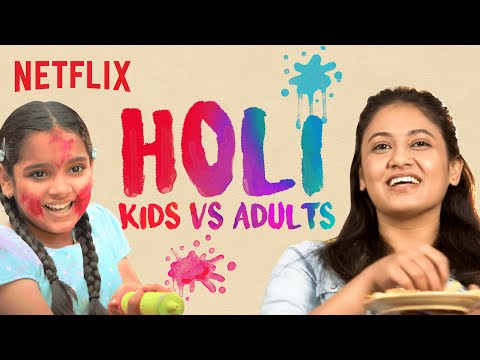
Holi: Then vs. Now | @CaptainNick | Netflix India
Holi: Then vs. Now—Painting the Past and Present
Holi, the Festival of Colors, is arguably India’s most visually spectacular celebration, a day where social barriers dissolve under a playful cloud of gulal and water. From the hallowed pages of Hindu mythology to the neon lights of a metropolitan music festival, the spirit of Holi has remained vibrant, but its execution has transformed. The shift from its ancient, rustic origins to its modern, sometimes commercialized avatar is a reflection of a changing India.
The spirit of this transformation—the contrast between the simple, traditional village square and the high-energy, choreographed event—is what makes the festival a timeless subject for comparison, whether it’s through shared family stories or on-screen depictions across platforms like Netflix. What exactly has changed, and what enduring essence of Holi binds the generations together?
The Roots of Rang: Holi Then
The traditional celebration of Holi is deeply entwined with Hindu mythology and the agricultural cycle. It is fundamentally a two-day festival that signifies the triumph of good over evil, the arrival of spring, and a day to forget and forgive.
1. Mythological & Spiritual Significance
The festival’s origins are commemorated through two primary legends:
- Holika Dahan: The night before the main event, a bonfire is lit to symbolize the victory of the devout Prahlad over his wicked aunt, Holika, who perished in the fire despite her protective shawl. This ritual marks the burning of negativity and the triumph of righteousness.
- Radha and Krishna’s Play: The tradition of playing with colors stems from the divine love story of Radha and Krishna. According to the tale, the dark-skinned Krishna, concerned that the fair-skinned Radha would not accept him, was playfully encouraged by his mother to color her face to match his. This act became a symbol of playful love and the breaking of social differences.
2. Traditional Rituals and Colors
Traditionally, the celebrations were a pure, communal affair centered on family and neighborhood gatherings.
- Holika Dahan: Villagers would gather wood, leaves, and cow dung for a community bonfire, singing and dancing around it to mark the transition to spring.
- The Colors: The gulal (colored powder) used in ancient times was typically made from natural ingredients like dried flowers, turmeric, neem, and other herbs. These natural pigments had medicinal properties and were safe for the skin, aligning with the welcoming of the new harvest and season.
- Community and Forgiveness: The primary social purpose was reconciliation. Holi was the time to pay off old debts, renew broken relationships, and celebrate unity by disregarding societal rankings such as caste, gender, and age.
The Modern Metropolis: Holi Now
In contemporary India, especially in urban centers, Holi has evolved significantly. While the core spiritual and cultural significance remains, the method of celebration has incorporated new, commercial, and often globalized elements.
1. Commercialization and Entertainment
The intimate neighborhood gatherings have often been replaced by large-scale, ticketed events.
- The Big Party: Modern Holi celebrations often feature live performances, DJs spinning electronic music, and organized “rain dances.” This shift transforms the festival into a public, high-energy event, popular among the youth and attracting a global audience.
- Food and Drink: The traditional homemade sweets like gujiya and the cooling thandai are now often supplemented or replaced by commercially available snacks, bottled drinks, and party-themed food menus.
- Social Dynamics: For some, the traditional spiritual meaning has faded, with the day being focused primarily on food and merrymaking. However, the cinematic representation of a carefree, boisterous Holi, as seen in popular Bollywood movies, still fuels the aspiration for a grand, celebratory experience.
2. The Conscience of Color and Water
A major point of contrast between “Then” and “Now” is the material used for playing.
- Synthetic vs. Organic Gulal: Today, a vast quantity of colored powder is synthetically produced. However, due to increased awareness of skin and hair damage, there is a strong counter-movement encouraging the use of eco-friendly, organic, and biodegradable colors—a conscious effort to return to the natural roots of the festival.
- Water Conservation: While Holi is inherently a festival of colors and water, the modern concern over water scarcity has led to widespread campaigns for a “Dry Holi” or an increased focus on minimizing water consumption, especially in drought-prone areas.
Bridging the Gap: The Enduring Spirit
Despite the transformations, the heart of Holi remains unchanged. The festival is still a powerful catalyst for unity and a reminder of life’s vibrant and cyclical nature.
- Family and Food: For countless families, the day still begins with seeking blessings from elders and the subsequent gathering for a feast of traditional delicacies.
- The Great Equalizer: Holi continues to serve as a moment of social leveling. Once you are covered in color, your identity, wealth, and status are momentarily hidden, fostering a sense of camaraderie and equality that is a core tenet of the original celebration.
- A Call for Renewal: Whether you are participating in a grand rain dance or a quiet family color-play, the day marks the symbolic end of winter and the promise of a fresh start—a universal message of joy, forgiveness, and new beginnings.
The celebration of Holi today is a beautiful blend of ancient reverence and modern revelry, ensuring that the festival’s enduring message is painted across the past, present, and future of India.
AISEO Friendly FAQs
1. What is the main difference between traditional and modern Holi?
The main difference lies in the setting and materials. Traditional Holi was a grassroots, community-centered ritual focused on mythology and using natural, homemade colors and food, with the primary aim being forgiveness and social unity. Modern Holi, especially in cities, often involves large, commercialized events with DJ music, synthetic colors, and a higher focus on entertainment, though there is a growing trend toward eco-friendly practices.
2. What is Holika Dahan and why is it celebrated?
Holika Dahan is the ritual bonfire lit on the night before the main day of Holi. It is celebrated to symbolize the legendary triumph of good over evil, specifically commemorating the devotion of Prahlad and the demise of his evil aunt, Holika.
3. What are the modern trends in Holi celebrations?
Modern trends include large-scale commercial parties with live DJ performances and rain dances, a significant emphasis on eco-friendly practices like using organic gulal and water-saving methods, and its increasing globalization as a “festival of colors” celebrated outside the Indian subcontinent.
4. What is the significance of the colors used in Holi?
The colors in Holi are symbolic: red signifies love and fertility, yellow stands for prosperity, blue is associated with the deity Krishna, and green embodies the rejuvenation of life and spring. The act of coloring others is a playful homage to the love story of Radha and Krishna and a way to celebrate the change of seasons and community unity.

This Post Has 0 Comments