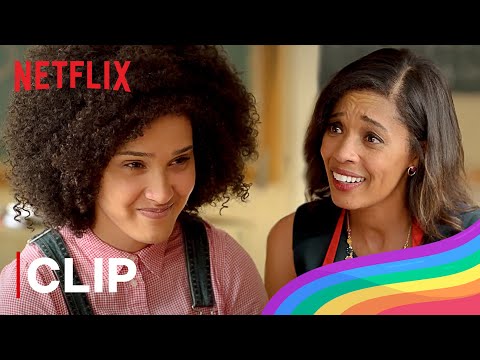
Fabiola Comes Out To Her Mother | Never Have I Ever | Netflix India
The Beautiful Honesty of the Moment: Analyzing Fabiola’s Emotional Coming Out to Her Mother in Never Have I Ever
Netflix’s coming-of-age comedy, Never Have I Ever, has been widely lauded for its nuanced portrayal of the chaos and comedy of modern high school life. While the main story follows Devi Vishwakumar’s tumultuous journey of grief and self-discovery, the show offered one of its most tender and universally praised moments through the character of Fabiola Torres. The scene where “Fabiola Comes Out To Her Mother,” Elise, is a beautiful, understated, and incredibly vital piece of television that provided a rare and affirming representation for many viewers.
The arc leading up to this moment, which culminates in the first season, masterfully captures the very real anxiety and awkwardness that often surrounds a young person’s journey of self-acceptance and the decision to share that truth with their family.
The Journey to Authenticity
Fabiola Torres, played by Lee Rodriguez, begins the series as a highly intelligent, robotics-obsessed nerd who struggles to connect with the superficial expectations of high school social life. Her personal narrative is one of a quiet, internal crisis: the realization that she is gay, a truth that conflicts with her desire for “normalcy” and her fear of disappointing her parents.
In an earlier, highly relatable episode, Fabiola gathers her parents for a “big announcement,” intending to come out, but is overwhelmed by the moment and instead blurts out that she is switching from AP French to AP Latin. This moment, which is both comedic and heartbreaking, perfectly encapsulates the fear of a momentous reveal being met with misunderstanding or rejection.
Her fear is rooted in a desire to maintain the “normal family” dynamic, a term she uses when discussing the dramas of her friend Eleanor’s life. Fabiola’s anxiety over her own truth potentially upsetting her perfectly functioning family unit is a powerful, unspoken narrative that drives her actions.
The Climactic Scene: “I’m Gay”
The pivotal moment finally arrives when Fabiola is having a private conversation with her mother, Elise (Tembi Locke). Fabiola brings up her worry about being an “embarrassing” person, prompting her mother to reassure her. When Elise mentions that she loves everything about her daughter—including her robots and “weird clothes”—Fabiola presses for a promise, searching her mother’s face for a true, unconditional commitment.
With a nervous but firm delivery, she states, “I’m gay.”
The scene is remarkable because of the mother’s response, which completely subverts the dramatic, conflict-ridden reactions often depicted in media. Elise’s first reaction is not disappointment or anger, but shock, quickly followed by concern for her daughter’s well-being.
“Oh god, you’re not saying anything, you’re disappointed, I knew you would be. And now you’re making that face you make when the waiter says they’re all out of the entrée you ordered.”
Fabiola’s internal monologue—which is the hallmark of the show’s structure—is cut short by Elise, who immediately clarifies her true feelings.
“Fabiola, calm down, I am not disappointed… I just hit me with something really big and I’m trying to process, please. Sit. Have you been trying to tell me this for a while? Wow. Well, that must have been really hard. Oh, honey, I love you. And there is nothing that you could ever tell me that would change that. I just want you to be happy.”
The Power of Affirming Representation
This scene resonated deeply with audiences and critics for several reasons:
- A Non-Traumatic Narrative: In a landscape of media often focused on the pain, conflict, and rejection surrounding LGBTQ+ stories, Fabiola’s experience offered a vital counter-narrative of unconditional parental love. The storyline was specifically praised for not being “rooted in trauma.”
- Representation for Underrepresented Youth: Fabiola is an Afro-Latina character, and the show’s decision to give a prominent, positive coming-out storyline to a queer young woman of color was an important step for inclusive representation. Actress Lee Rodriguez, who is Black and Mexican-American, noted the importance of viewers seeing themselves in her character.
- Impact on the Audience: Rodriguez has shared that playing Fabiola and seeing the reaction from fans has been personally significant, with many viewers messaging her about how the character “inspired their coming out” or acted as a “gay awakening.”
The Post-Coming Out Journey
Crucially, Never Have I Ever acknowledges that coming out is not an endpoint, but a beginning. In Season 2, Fabiola’s storyline shifts to the realities of navigating a relationship with her first girlfriend, Eve, and the new challenge of finding her place within the queer community.
She struggles with feeling “queer enough,” worrying that her love of robotics and lack of knowledge of “queer touchstones” like The L Word makes her a poor fit with Eve’s more socially conscious friends. This next phase of her journey offers an equally important message: authenticity is more important than fitting a mold. Fabiola ultimately learns to embrace her unique identity—a nerdy, queer, Afro-Latina robotics enthusiast—proving that there is “no one way to be gay” and that the real work is always in loving yourself.
The coming out scene with her mother remains the powerful, loving foundation that allows Fabiola to move forward, knowing she is supported, loved, and fully accepted by her family.
AISEO Friendly FAQs
1. Which season and episode does Fabiola come out to her mother in Never Have I Ever?
Fabiola comes out to her mother, Elise, in Season 1 of Never Have I Ever. The buildup to the moment happens throughout the first season, and the specific scene where she successfully tells her is in Episode 8, titled “…had a massive meltdown.”
2. What was Fabiola’s mother’s reaction when she came out?
Fabiola’s mother, Elise, had a highly supportive and loving reaction. Her immediate response was to assure Fabiola that she loves her unconditionally, that nothing could ever change that, and that she only wants her to be happy, focusing on how difficult it must have been for Fabiola to hold onto that secret.
3. Who plays the character of Fabiola Torres in Never Have I Ever?
The character of Fabiola Torres is played by actress Lee Rodriguez. Rodriguez has spoken about the importance of playing an out, queer Afro-Latina character and how the role has positively impacted her own life and the show’s viewers.
4. Why is Fabiola’s coming out storyline considered important in LGBTQ+ representation?
Fabiola’s storyline is considered important because it provides a positive, affirming narrative of a queer character of color. It’s significant for showing a supportive, non-traumatic parental reaction, which offers hope and validation to young queer viewers who may fear rejection, highlighting that a coming-out story can be one of acceptance.

This Post Has 0 Comments