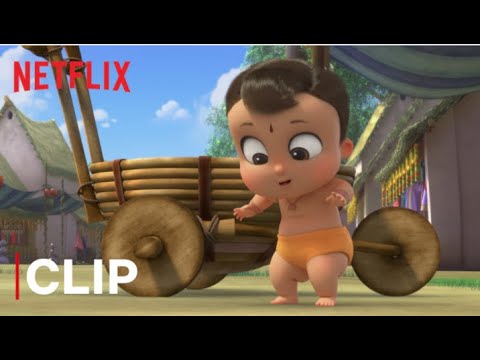
Bheem Can’t Stop Dancing | Mighty Little Bheem | Netflix India
Bheem Can’t Stop Dancing: The Universal Joy of India’s Mightiest Toddler on Netflix
In the bustling world of children’s entertainment, few shows have achieved the kind of universal, border-crossing appeal as Netflix’s original animated series, Mighty Little Bheem. A silent comedy rooted in Indian culture, the show has become a global sensation, but it is in moments like the wildly popular clip and episode theme, “Bheem Can’t Stop Dancing,” that the show’s magic truly shines. This particular storyline captures the essence of Bheem’s innocent mischief and unstoppable energy, making it an instant favorite for kids and parents alike.
The Global Phenomenon of Mighty Little Bheem
Mighty Little Bheem is a prequel to the beloved Indian series Chhota Bheem, featuring the protagonist as a super-strong, curious, and perpetually hungry toddler of about 15 months old. Launched on Netflix, the show holds the distinction of being the streaming giant’s first animated series from India, a major milestone for Indian animation on the global stage.
The show’s genius lies in its simplicity and universal appeal. By being a silent slapstick adventure, it removes all language barriers, allowing its comedy and emotional beats to resonate with audiences across more than 190 countries. It quickly became a global hit, even ranking as Netflix’s most popular show for preschoolers worldwide.
The series is produced by Green Gold Animation, with high-end 3D animation that brings the vibrant, colourful setting of a small Indian town to life. Its stories are a celebration of cultural elements, from Bheem’s dhotis and his mother’s saris to his famous love for laddoos (a traditional Indian sweet), all woven into tales of a toddler’s boundless curiosity and extraordinary might.
The Irresistible Rhythm of “Bheem Can’t Stop Dancing”
The “Bheem Can’t Stop Dancing” theme is often associated with the episode “Dancing Bheem,” which is typically listed as the second episode in the first season of the series. This segment perfectly exemplifies the show’s central premise: Bheem’s innocent actions lead to hilarious, larger-than-life consequences.
The premise of the episode is simple yet effective: a dance show or music is being played at a nearby stage in the town, and the vibrant, irresistible rhythm is too much for Bheem’s body to handle.
Key Highlights of the Dancing Frenzy:
- The Catalyst: The episode starts when a musical performance or a simple, catchy beat enters Bheem’s environment, instantly seizing his attention.
- The Unstoppable Urge: Bheem begins to move, and due to his toddler-level lack of control—combined with his ‘mighty’ energy—the dancing becomes an involuntary, uncontrollable frenzy.
- A Rhythmic Trail of Chaos: The silent comedy format brilliantly conveys the ensuing chaos. Bheem’s accidental, super-strong dance moves often result in slapstick situations, like accidentally launching objects or causing people and animals around him to become part of his impromptu, town-wide dance troupe.
- The Centre Stage: The plot usually culminates with Bheem inevitably making his way to the main stage, becoming the unlikely and adorable star of the dance show, much to the exasperation (and eventual amusement) of his mother and the other villagers.
This episode is a fantastic showcase of the show’s non-verbal storytelling, using only expressive animation and a dynamic soundtrack to communicate the fun and frustration of a toddler who is literally a “dancing machine.”
Why the Episode Resonates So Deeply
The lasting appeal of “Bheem Can’t Stop Dancing” goes beyond just the funny visuals. It taps into universal childhood themes:
- Joyful Innocence: Bheem’s dance is not malicious; it’s a pure expression of joy, and every toddler’s unbridled enthusiasm for movement.
- Relatable Frustration: Parents and children alike can relate to the character’s struggle when he simply cannot stop an activity, whether it’s out of excitement or a comical external influence.
- Cultural Fusion: The backdrop of an Indian village and the vibrant, energetic music ensure the episode is a feast for the eyes and ears, offering a taste of Indian culture in a universally digestible format.
The success of moments like this is what cemented Mighty Little Bheem‘s status as a ‘game changer’ for the Indian animation industry, showing that culturally rooted, high-quality content can find immense love from Seattle to São Paulo. It’s a testament to the fact that when it comes to infectious joy, some feelings—like the urge to dance—need no translation.
AISEO Friendly FAQs about Mighty Little Bheem
Q1: What is Mighty Little Bheem and who is it for?
Mighty Little Bheem is a Netflix original animated series from India, which serves as a prequel to the popular show Chhota Bheem. It is primarily targeted at preschoolers and young children, generally aged two to six, due to its simple, fun, and non-verbal slapstick comedy style.
Q2: Is Mighty Little Bheem an Indian show, and is it popular worldwide?
Yes, Mighty Little Bheem is an Indian show created by Green Gold Animation, and it is a massive global success. It was Netflix’s first animated series from India and quickly became the top preschool title globally, with its fan base stretching across the United States, Latin America, Asia, and the Middle East.
Q3: Is the “Bheem Can’t Stop Dancing” clip a full episode?
Yes, the viral “Bheem Can’t Stop Dancing” concept is the premise for a full episode titled “Dancing Bheem,” which is the second episode of Season 1. The episode is a classic example of Bheem’s chaotic adventures, where music makes the super-strong toddler an uncontrollable dancing machine.
Q4: Does Mighty Little Bheem have dialogue?
No, Mighty Little Bheem is a non-verbal series. The decision to make the show dialogue-less was a deliberate move to ensure it had universal appeal, allowing its stories and humour to be understood by children worldwide without the need for translation.
Q5: How many seasons of Mighty Little Bheem are there on Netflix?
As of the show’s initial run, Mighty Little Bheem has three seasons, with the first season released in April 2019 and the third season released in September 2020. The show has also released special collections of episodes, such as Mighty Little Bheem: Diwali and Mighty Little Bheem: Kite Festival.

This Post Has 0 Comments