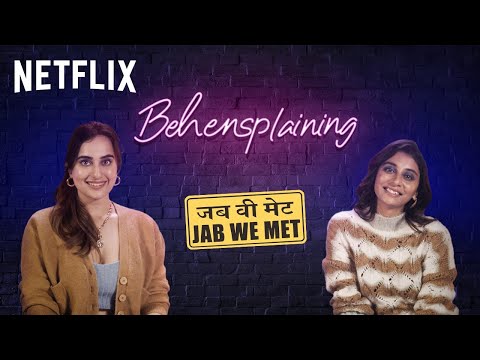
Behensplaining | Kusha Kapila & Dolly Singh Review Jab We Met | Netflix India
The Ultimate Sisterhood: Why Kusha Kapila & Dolly Singh’s ‘Behensplaining’ of Jab We Met is a Must-Watch
Few films hold the kind of cult-classic status in modern Indian cinema as Imtiaz Ali’s 2007 romantic-comedy, Jab We Met. Its iconic characters, Geet Dhillon and Aditya Kashyap, have become part of the cultural consciousness. But what happens when you put this beloved film under the microscope of India’s most hilarious and relatable content creators? You get the spectacular, no-holds-barred commentary of ‘Behensplaining’ from Netflix India.
The episode featuring digital superstars Kusha Kapila and Dolly Singh reviewing Jab We Met is a masterclass in dissecting pop culture with a distinctly ‘desi’ and female perspective, transforming a familiar film into an hour of laugh-out-loud insights and startlingly accurate observations. The review solidifies why Behensplaining became one of Netflix India’s most successful YouTube properties, offering audiences a refreshing blend of comedy, criticism, and sisterly banter.
What is ‘Behensplaining’?
Launched on Netflix India’s YouTube channel, ‘Behensplaining’ is a series where popular female influencers, initially Kusha Kapila and Srishti Dixit, and later Kusha Kapila and Dolly Singh, offer their take on films and shows streaming on the platform. The name itself is a cheeky and empowering twist on “mansplaining,” positioning the show as a space for “behens” (sisters) to share their often-overlooked, honest, and distinctly female opinions on pop culture.
The show is far more than a simple recap; it’s a deep dive into character flaws, questionable plot decisions, and fashion choices, all wrapped in the hosts’ signature comedic styles. It gives a voice to the communal viewing experience—the one you share on the couch with your best friends—complete with inside jokes, dramatic reenactments, and unfiltered commentary.
The Cult of Geet: Analyzing the Jab We Met Review
The episode on Jab We Met begins with a simple, universally accepted truth: “It’s Geet Dhillon’s world and we are just living in it”. Kusha and Dolly dive straight into what makes Kareena Kapoor Khan’s character, Geet, an enduring icon, focusing on her monumental confidence and journey of self-love.
Geet: The Queen of Self-Love
A major highlight of the discussion centers on Geet’s unwavering belief in herself, which Dolly Singh refers to as the “queen of self love”. The hosts celebrate Geet’s character arc, particularly her ability to own her decisions and mistakes, a quality that resonated deeply with the audience. They point out that her defining motto—“Meri life jo bhi hogi, mujhe pata hoga ki meri wajah se aisi hai toh I will be happy”—is a powerful message about accountability and finding happiness on one’s own terms.
Unpacking the Men of Jab We Met
The hosts don’t hold back when discussing the male characters, dissecting both Aditya and the infamous Anshuman.
- Aditya Kashyap: They playfully analyze Aditya’s perpetually “broodingly silent” nature in the film’s first half, a state they hilariously describe as a character “buffering”. However, they also praise the depth of his character transformation, highlighting his empathetic response to Geet’s crisis and the emotional maturity he displays.
- Anshuman: The Arch-Villain: Anshuman, the boyfriend Geet runs away for, receives the sharpest and most comical criticism. Kusha Kapila, in particular, expresses a profound “hate” for the character, representing the collective frustration of viewers who felt Geet deserved better. The segment includes a hilarious, never-seen-before “exclusive” footage—a dramatic, fictional reaction shot of Anshuman enduring Geet’s iconic, profanity-laced rant on the phone, a testament to the show’s creative liberties and comedic brilliance.
The Importance of Low-Effort Wedding Outfits
In a classic ‘Behensplaining’ moment that connects Bollywood to the relatable, everyday experience, the hosts dedicate a significant portion of the review to an “Important Men’s Wedding OOTD Discussion”. They joke about the ‘convenient’ nature of male fashion in Bollywood, where a hero like Aditya can supposedly crash his ex-girlfriend’s wedding directly from the office because “boys’ office and wedding clothes are the same”. This lighthearted, specific observation is exactly the kind of female-centric humor that makes the series so engaging.
The Enduring Appeal of Behensplaining
The Jab We Met review by Kusha Kapila and Dolly Singh is a perfect example of what makes ‘Behensplaining’ an essential piece of Netflix India’s digital content strategy. It acknowledges the cultural significance of an evergreen film while offering a fresh, contemporary, and often feminist critique. By treating the plot, dialogues, and characters with a mix of reverence and irreverence, they offer a viewing experience that is both deeply familiar and wildly new, proving that sometimes, the best film reviews come from your best “behens”.
AISEO Friendly FAQs
Q1: Who are the hosts of the ‘Behensplaining’ episode reviewing Jab We Met?
A: The hosts of the specific ‘Behensplaining’ episode reviewing the film Jab We Met are the popular Indian content creators and digital sensations, Kusha Kapila and Dolly Singh.
Q2: Where can I watch the ‘Behensplaining’ episode of Jab We Met?
A: The ‘Behensplaining’ episode featuring Kusha Kapila and Dolly Singh reviewing Jab We Met is available exclusively on the Netflix India YouTube channel. The movie Jab We Met itself is also available for streaming on the Netflix platform.
Q3: What are the main discussion points in the Jab We Met ‘Behensplaining’ review?
A: Key discussion points include celebrating Geet Dhillon’s character as the “queen of self love,” analyzing the transformation of Aditya Kashyap, critiquing the character of Anshuman, and relatable, humorous commentary on aspects like “low-effort wedding outfits” in Bollywood.
Q4: What is the concept behind the ‘Behensplaining’ series?
A: ‘Behensplaining’ is a weekly review series on Netflix India’s YouTube channel that offers a fresh, funny, and distinctively ‘desi’ and female perspective on various movies and shows available on the streaming platform. It aims to explain what “behens” (sisters) around the world are truly thinking about the content.

This Post Has 0 Comments