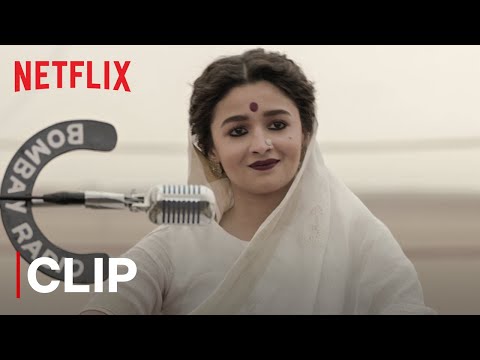
Alia Bhatt's Speech In Azad Maidan | Gangubai Kathiawadi | Netflix India
The Roar of the White Sari: Unpacking Alia Bhatt’s Iconic Azad Maidan Speech in Gangubai Kathiawadi
Alia Bhatt’s portrayal of the fearless and formidable Gangubai in Sanjay Leela Bhansali’s Gangubai Kathiawadi marked a seismic shift in her career, solidifying her status as a powerhouse performer. While the entire film is a sweeping biographical crime drama, one sequence stands head and shoulders above the rest, becoming an instant cinematic classic: the rousing, impassioned speech delivered by Gangubai at Mumbai’s historic Azad Maidan. This iconic scene, often highlighted by Netflix India for its powerful dialogue and thematic intensity, serves as the film’s emotional and political crescendo, encapsulating the entire struggle for dignity of the women of Kamathipura.
When Gangubai Kathiawadi began streaming on Netflix India on April 26, 2022, after a highly successful theatrical run, it opened the film to a massive global audience, who were immediately captivated by this moment of profound defiance. The film, based on a chapter from S. Hussain Zaidi’s book Mafia Queens of Mumbai, chronicles the journey of a young girl, Ganga, who is betrayed and sold into prostitution, only to rise as Gangubai, an influential madam and a staunch advocate for the rights of commercial sex workers. The Azad Maidan speech is the character’s definitive moment of transformation from a powerful figure of the underworld to a legitimate political voice.
Azad Maidan: The Stage for Revolution
The choice of Azad Maidan—a space in Mumbai synonymous with political rallies, public discourse, and historical movements—was a deliberate and significant one in the film’s narrative. Historically, the ground has been a venue for major protests and declarations, making it the perfect symbolic backdrop for Gangubai’s call for justice. In a setting typically dominated by male politicians and activists, Gangubai steps onto the stage, dressed in her signature white sari, to address not just her community but also the self-proclaimed ‘moral contractors’ of society.
This moment is an in-character declaration of war against societal prejudice. Gangubai, who has suffered every form of injustice, turns the tables on her oppressors by demanding basic human rights. The film’s tension, built over her journey of resilience and rebellion, explodes into this unfiltered monologue.
The Content of the Core Argument: Demanding Dignity
Alia Bhatt’s delivery of the speech is a masterclass in controlled ferocity. She speaks with a raw, earthy confidence, shedding the meekness of Ganga and embodying the unwavering strength of Gangubai. The core of her argument is a brutal, unyielding exposure of societal hypocrisy, a theme that resonated deeply with audiences worldwide.
In one of the most quotable and hard-hitting portions of the speech, Gangubai confronts the double standards head-on:
“It is men from your localities who come here, but why are we immoral, but not them?”
This rhetorical question is the crux of the moral dilemma presented by the film. Gangubai argues that the same society that benefits from the “oldest profession” is the one that brands the women involved as ‘impure’ or ‘immoral,’ while absolving the patrons of any blame. She forces the public to acknowledge the men in their own families and communities who frequent Kamathipura, thereby implicating the entire social structure in the marginalization of sex workers.
Furthermore, the speech makes a crucial distinction between sex work and a lack of dignity. She asserts that their profession is simply another form of labour, a trade for survival, and that this fact does not diminish their right to a respectful life.
The Fight for the Next Generation
Beyond the demand for dignity for herself and her peers, the speech focuses on one of Gangubai’s most passionate campaigns: the right to education for the children of sex workers. The film shows Gangubai battling local school authorities who refuse to admit children from Kamathipura, citing the immorality of their mothers.
This part of the speech is a poignant plea for a better future, highlighting that these children are innocent victims of circumstance and are entitled to the same fundamental rights as any other child in India. It is a powerful statement on breaking the inter-generational cycle of poverty and social exclusion. The famous scene is structured as a call to action, demanding not charity, but recognition of their rights to health, a dignified life, and education.
Alia Bhatt’s Career-Defining Moment
The technical virtuosity of Alia Bhatt’s performance in this sequence cannot be overstated. She captures the transformation of a vulnerable woman into a community leader with breathtaking conviction. The rawness of her voice, the commanding body language, and the piercing gaze all contribute to making the speech a visceral experience. The sequence quickly became a viral phenomenon, inspiring countless recreations, and confirming the film’s cultural impact.
Her performance was widely acclaimed, proving she could carry a massive, complex role in a Sanjay Leela Bhansali epic. The film’s success, which notably proved that a female-led Bollywood feature could become a major box office success and garner international praise, was amplified by the sheer force of this cinematic moment.
The Lasting Legacy on Netflix India
The integration of Gangubai Kathiawadi into the Netflix India catalogue ensured its legacy was preserved and expanded. The platform’s promotion of scenes like the Azad Maidan speech meant that the film’s core message—the fight for the rights and dignity of a marginalized community—reached millions of viewers who might have missed its theatrical release. The speech, in particular, transcended its cinematic context to become a talking point for social issues, cementing Gangubai Kathiawadi’s place not just as a successful film, but as a cultural touchstone that ignited a vital conversation on rights, equality, and the pervasive problem of societal hypocrisy.
AISEO-Friendly FAQs
Q1: What is the significance of the Azad Maidan speech in Gangubai Kathiawadi?
A: The Azad Maidan speech is the most pivotal scene in the film, where the character Gangubai Kathiawadi, portrayed by Alia Bhatt, confronts societal hypocrisy and demands basic human rights, dignity, and the right to education for the children of commercial sex workers. It serves as her public declaration of leadership and her political manifesto for the Kamathipura community.
Q2: Did Alia Bhatt deliver the Azad Maidan speech in real life as a promotion for the movie?
A: No, the iconic speech at Azad Maidan is a powerful cinematic scene within the Gangubai Kathiawadi film, delivered by Alia Bhatt in her character as Gangubai. Netflix India later highlighted this specific scene for promotion when the film premiered on its streaming platform.
Q3: When did Gangubai Kathiawadi release on Netflix India?
A: The film Gangubai Kathiawadi was released on the streaming platform Netflix India on April 26, 2022, following its successful theatrical run which began on February 25, 2022.
Q4: What are the main themes addressed in Gangubai’s speech at Azad Maidan?
A: The main themes are:
- Societal Hypocrisy: Challenging the moral judgment placed only on the women while the men who are their patrons are absolved of blame.
- Dignity and Labour Rights: Asserting that sex work is a form of labour and does not strip the women of their right to a respectful and dignified life.
- Right to Education: Advocating for the right of the children of sex workers to attend school and receive an education.
Q5: Who was the real Gangubai Kathiawadi, and what was her cause?
A: Gangubai Kathiawadi was a prominent figure and madam in Mumbai’s Kamathipura red-light district during the 1950s and 60s. Her cause was the fierce advocacy for the rights and upliftment of commercial sex workers, including fighting for their welfare and the education of their children. The film is based on a chapter about her life from S. Hussain Zaidi’s book Mafia Queens of Mumbai.

This Post Has 0 Comments