
Landmark Victory: Aishwarya Rai Bachchan Secures Delhi HC Injunction Against Deepfakes and Personality Rights Misuse
Aishwarya Rai Bachchan Wins Major Legal Battle: Delhi HC Slams Misuse of Her Persona and Deepfakes
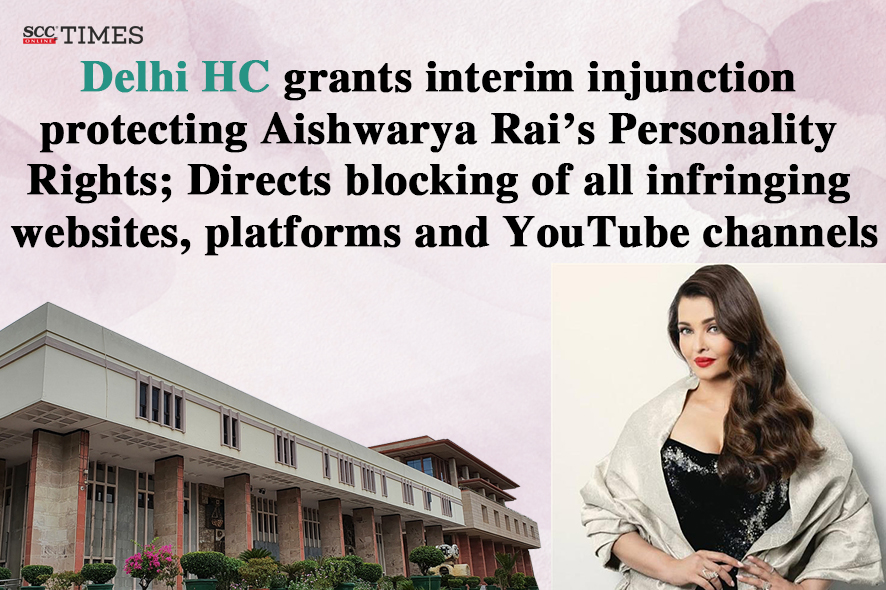
In a monumental legal development that is poised to reshape the landscape of celebrity rights in the digital age, Bollywood icon Aishwarya Rai Bachchan has secured a significant interim injunction from the Delhi High Court. The ruling is a powerful strike against the rampant, unauthorized exploitation of her name, image, and public persona across various digital platforms, including the alarming threat posed by AI-generated deepfake videos.
This is not merely a personal win for the former Miss World; it is being hailed by legal experts as a crucial precedent that strongly reinforces the legal framework surrounding the ‘Right of Publicity’ for all public figures in India, particularly against the backdrop of rapidly evolving, often malicious, generative AI technology.
The Urgent Need for Legal Intervention: Deepfakes and Digital Exploitation
Aishwarya Rai Bachchan’s move to approach the Delhi High Court stemmed from a growing and deeply concerning trend: the unauthorized, commercial misuse of her identity. The exploitation ranged from digital advertisements and merchandise using her photographs without consent to, more critically, the proliferation of sophisticated AI-generated deepfake videos. These deepfakes, which manipulate her image and voice to create entirely fabricated scenarios, pose a grave threat not only to her commercial interests but also to her personal dignity and reputation.
For a global figure like Aishwarya Rai, who maintains rigorous control over her public image and brand endorsements with international giants like L’Oréal, the unchecked use of her persona translates directly into massive commercial detriment and dilution of her brand value. However, the issue extends far beyond finance. In an environment where misinformation spreads virally, malicious deepfakes can cause profound, irreparable damage to a public figure’s standing and mental well-being.
The Heart of the Lawsuit: Protecting Commercial and Personal Dignity
The injunction was sought specifically to halt the unauthorized use of her likeness across online platforms and commercial products. The core argument centered on the violation of her personality rights—the legal right of an individual to control the commercial use of their identity, including their name, likeness, and other distinctive elements. Her legal team presented a compelling case illustrating how various entities were profiting illegally by falsely associating their products and services with her iconic image.
Moreover, the rise of AI tools has lowered the barrier to entry for creating highly convincing, malicious content. The search results indicated that Aishwarya, alongside her husband Abhishek Bachchan, had previously taken legal action against YouTube and Google over these deepfake videos, underscoring the severity of the threat they faced. The interim injunction granted by the Delhi High Court acts as a critical, immediate safeguard against this digital onslaught.
The Delhi High Court’s Resounding Judgment
The Delhi High Court delivered a strong rebuke against the unauthorized exploitation, asserting that such conduct impacts not only the commercial viability of the celebrity but also severely compromises their dignity and reputation.
Key takeaways from the court’s order:
- Interim Injunction Granted: The court granted interim protection, immediately barring the unauthorized use of Aishwarya Rai Bachchan’s name, photographs, and public persona for commercial gain.
- Slamming Unauthorized Use: The court came down heavily on the entities misusing her identity, clearly stating that exploitation without explicit consent is illegal and harmful.
- Reinforcing Personality Rights: According to her advocate, the judgment holds “very significant importance” as it effectively strengthens and clarifies the legal standing of personality rights—often referred to as the Right of Publicity—in the Indian legal system. This creates a robust legal foundation for future cases involving celebrities, sports personalities, and other public figures.
The AI Risk Flagged by the Judiciary
While the injunction is a direct victory for Aishwarya, the broader implications regarding generative AI cannot be overstated. The judiciary, as seen in related recent cases involving other actors, has acknowledged the long-term risks posed by AI. Once objectionable or misleading material, like a deepfake, is uploaded to the internet, generative AI models can easily pick it up and redistribute it, regardless of its authenticity. This permanent digital stain poses a unique and complex risk to the reputation of public figures.
Aishwarya Rai Bachchan’s case provides a powerful tool for celebrities to fight back. By securing an injunction, she and her family are not waiting for the slow process of legal damages but are proactively blocking the source of the reputational and commercial harm. This is a vital step in navigating the uncharted legal waters of AI and digital persona misuse.
A Family United Against Digital Threats
The legal actions taken by Aishwarya are part of a broader, family-wide effort to protect their privacy and public integrity. Her husband, actor Abhishek Bachchan, has also approached the Delhi High Court for the protection of his own personality rights, highlighting a unified front against the digital exploitation of the Bachchan name.
This protective stance is particularly significant when considering their daughter, Aaradhya Bachchan, who recently turned 14. Having grown up under intense public scrutiny, the Bachchan family has consistently worked to provide a protective and balanced environment for her. The efforts to curb deepfakes and unauthorized use are undoubtedly linked to ensuring that Aaradhya’s image and identity are also safeguarded from malicious or commercial exploitation as she enters her teen years.
The recent, heart-warming social media activity surrounding Aaradhya’s birthday, including the special note from grandfather Amitabh Bachchan, serves as a stark contrast between their cherished private moments and the constant, unwelcome intrusion of digital platforms. While the Bachchan family cherishes the public love and fan following, the line between admiration and exploitation—especially commercial exploitation and character assassination via deepfakes—must be clearly drawn, and the High Court has now emphatically drawn that line.
Setting a National Precedent for Celebrity Rights
Before this ruling, the legal recourse against deepfakes and personality rights violations was often slow and reactive. The interim injunction granted to Aishwarya Rai Bachchan provides a template for other major Indian personalities. It establishes that a celebrity’s persona is a valuable asset that is inherently protected under law and cannot be used without their explicit, informed consent.
The timing of this judgment is also critical. As Indian cinema and entertainment continue to gain unprecedented global traction, the protection of its biggest stars’ rights on international digital platforms becomes paramount. This injunction is a clear message to content creators, platform administrators, and companies globally: a celebrity’s identity is not public property, and its unauthorized use will be met with immediate and decisive legal action.
This landmark ruling ensures that Aishwarya Rai Bachchan, an actress who has consistently represented India on the global stage for decades—from her debut at the Cannes Film Festival in 2002 to her sustained ambassadorship for global brands—retains control over her own narrative and image, a fundamental right increasingly threatened in the age of generative AI and viral misinformation.
Frequently Asked Questions (FAQs)
Q1: What are ‘Personality Rights’ in this context?
A: Personality rights, also known as the Right of Publicity, are the rights of an individual to control the commercial use of their name, image, likeness, voice, and other identifiable attributes. It essentially prevents others from profiting off a celebrity’s identity without their permission. Aishwarya Rai Bachchan’s petition sought to protect this right against unauthorized commercial and digital exploitation.
Q2: What are deepfakes, and why are they a threat to Aishwarya Rai Bachchan?
A: Deepfakes are synthetic media in which a person in an existing image or video is replaced with someone else’s likeness using sophisticated artificial intelligence (AI) techniques. They pose a threat because they can be used to create highly convincing but entirely fabricated videos or images that can damage her reputation, spread false information, or be used in non-consensual commercial endorsements, causing both personal distress and financial harm.
Q3: What is the significance of the Delhi High Court’s interim injunction?
A: The interim injunction is legally significant because it provides immediate, temporary relief by restraining unauthorized parties from misusing her persona while the main lawsuit proceeds. More importantly, the court’s strong observations on dignity and commercial detriment set a powerful legal precedent, strengthening the legal grounds for the Right of Publicity in India against digital and AI-related threats.
Q4: Did Aishwarya Rai Bachchan win the full lawsuit against YouTube and Google?
A: The most recent development is an interim injunction granted by the Delhi High Court against the unauthorized use of her image and persona. While reports indicated that she and Abhishek Bachchan had previously sued YouTube and Google for damages over deepfakes, the interim injunction is a critical, proactive measure to stop the misuse immediately while the broader legal battle is ongoing.
Q5: Will this ruling help other celebrities fight AI deepfakes?
A: Yes, absolutely. The Delhi High Court’s strong stance on protecting personality rights and its explicit acknowledgment of the risks posed by generative AI provides a crucial legal foundation for other Indian celebrities and public figures to seek similar protection against deepfakes and the misuse of their digital persona. It empowers the entertainment industry to demand accountability from digital platforms.
Read More:

This Post Has 0 Comments