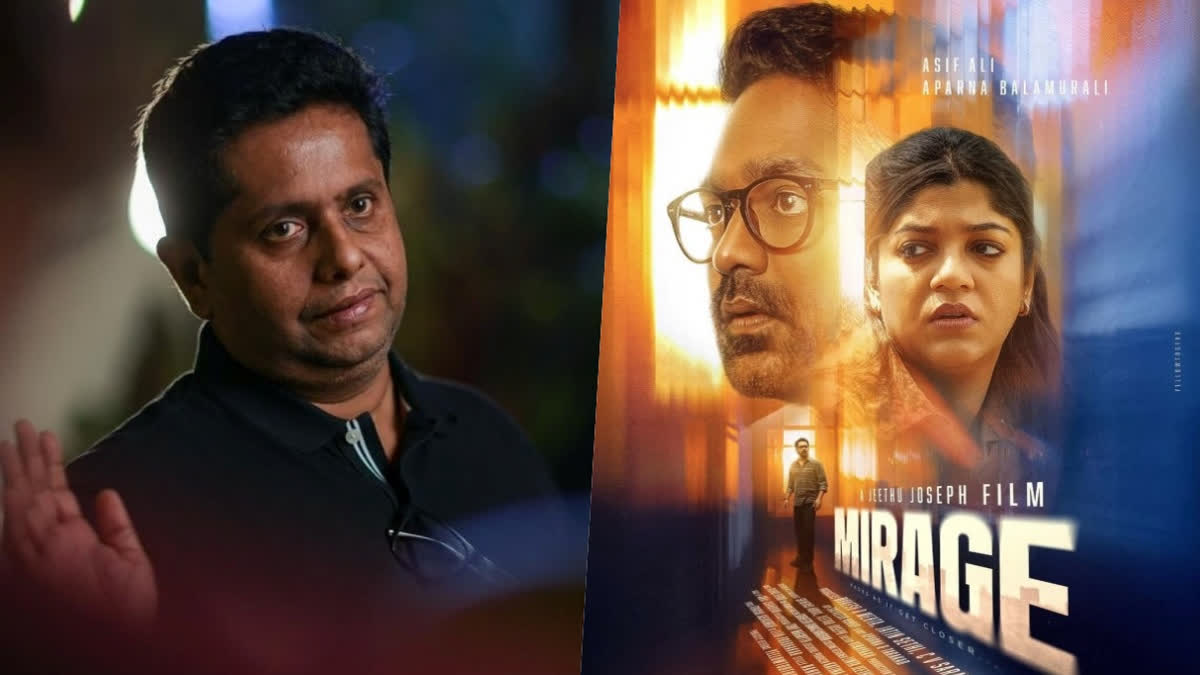
Jeethu Joseph Takes Blame for ‘Mirage’ Flop: ‘Maybe the Main Reason is Myself’ Amid Bollywood Backstory Revelation
The shadow of cinematic expectation is long, especially when you are the director who gave Indian cinema the legendary Drishyam franchise. Filmmaker Jeethu Joseph, a name synonymous with masterfully woven thrillers, is currently navigating the fallout from his latest release, the crime thriller Mirage, which opened to mixed-to-negative reviews and failed to create the expected box office ripple. In a significant and exclusive interview, the celebrated director has finally broken his silence on the film’s poor reception, delivering a candid and unprecedented self-assessment that has sent ripples through the industry: he is willing to shoulder the blame, citing his own name and the pressure of expectation as a major factor.
The Unprecedented Confession: Jeethu Joseph Accepts Responsibility
The most compelling takeaway from the director’s recent conversation is his frank acknowledgment that the responsibility for the film’s shortcomings may lie closer to home. When confronted about the underwhelming response to Mirage, which starred Asif Ali and Aparna Balamurali, Jeethu Joseph offered a rare display of directorial humility.
“Maybe,” he responded, when asked if something went wrong with the film. He continued, suggesting that the primary issue was not entirely external. “There are many reasons for that. Maybe the main reason is myself. When my film comes out, there’s a certain level of expectation among people.”
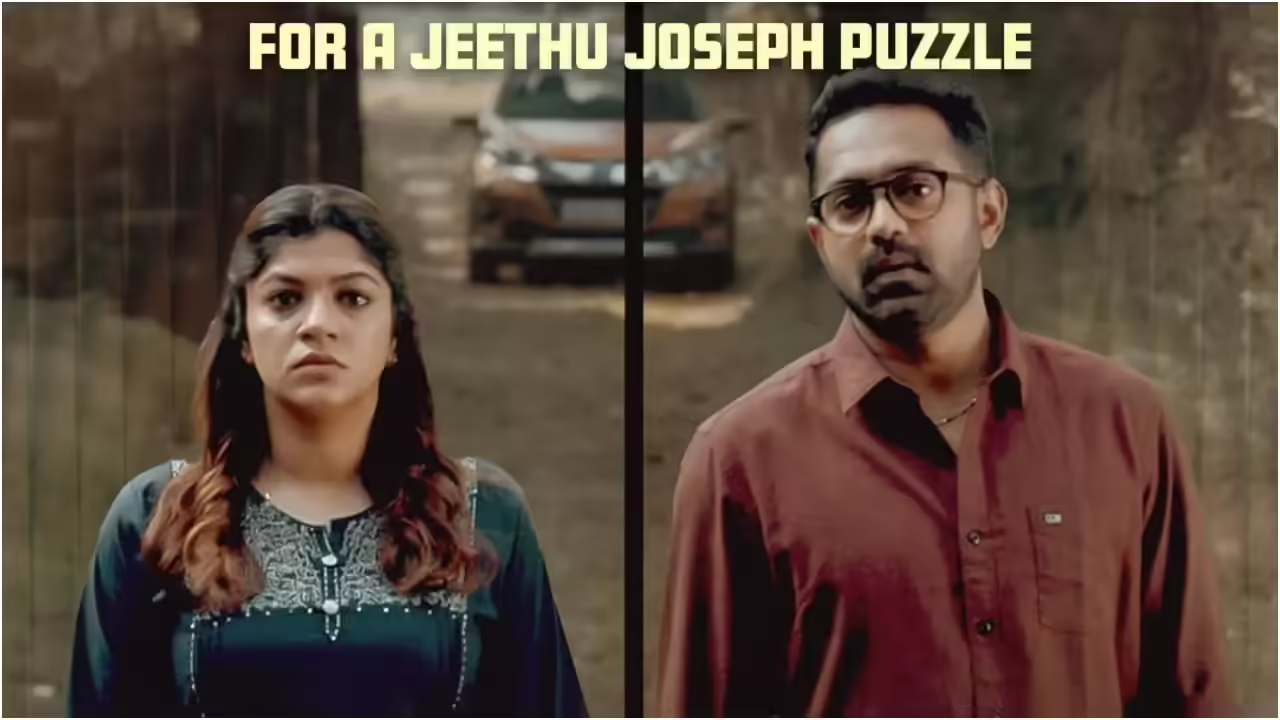
This statement is a profound moment in the career of a filmmaker whose name has become a guarantee of taut, edge-of-the-seat entertainment. The overwhelming sentiment among critics and audiences was that Mirage‘s writing—particularly the ‘ineffectual plot twists’—fell short of the benchmark set by his previous works like Memories or the Drishyam series. Joseph’s admission directly addresses the ‘burden of expectation’ that has followed him since the 2013 blockbuster, suggesting that his own reputation became the film’s biggest hurdle, making even moderately clever twists seem predictable to an over-analyzing audience.
The Paradox of Predictable Twists: Intention vs. Reception
The central critique of Mirage was its reliance on an excessive number of twists and turns that, paradoxically, ended up feeling obvious and unconvincing. Reviewers repeatedly pointed out that the plot was ‘marred by too many ineffectual plot twists,’ leading to a consensus that the script was compromised.
Jeethu Joseph, however, offered a nuanced defense of his writing choices, explaining that the dense layering of misdirection was, in fact, an intentional artistic choice rooted in the film’s core concept. The film’s title, Mirage, served as his biggest creative draw to the subject, and he felt the shifting characterisations were necessary to justify the name.
“The characterisations and happenings justified that title 100 per cent. I was concentrating on that area. That’s why every character underwent a change, and all those became ‘twists.’ Some said there were too many twists. But the film concentrated on that particular area, you see? That mirage effect,” he explained.
He cited the example of Sampath Raj’s character, SP Aarumugam, who is initially perceived as a villain but turns out to be a good man, as a clear manifestation of this central theme—people being two-faced or having a second personality. While the director’s intent was clear, the execution seemingly failed to land with the requisite impact, leaving viewers more exhausted than thrilled.
The Untold Backstory: A Failed Bollywood Project and Production Pressure
Perhaps the most surprising revelation to emerge from the interview was the complex, years-long production history of Mirage. Joseph disclosed that the concept was never originally intended for the Malayalam industry; it was initially conceived as a Bollywood project.
Joseph shared that the producer, Manoj Khatri, had been pursuing him with the subject for five years, originally aiming to make the film in Hindi. When the Bollywood plan failed to materialize—a common struggle for scripts that are not strictly ‘hero-centric’ in the Hindi film industry—Joseph decided to take it up in Malayalam. He explained that this decision was partly driven by a commitment to the producer. “We were supposed to do it in Bollywood. But when that didn’t happen, he got very disappointed. So I brought it and did it here in Malayalam, as at some point in the journey, I gave him my word that I would do it.”
This revelation sheds light on the external pressures surrounding the film. Joseph also admitted that he was juggling an extremely tight schedule, which may have compromised his focus on the project. “I was under a lot of pressure since I had to accommodate multiple projects, including Mirage, simultaneously. And maybe… maybe it’s a wrong decision, I don’t know,” he confessed. This insight provides a critical context, suggesting that creative exhaustion and the need to fulfill long-standing commitments, rather than a purely creative misstep, contributed to the final product’s mixed results.
The Shadow of Drishyam and the Pursuit of Genre Diversity
Jeethu Joseph’s career is a continuous push-pull between the monumental success of the Drishyam saga and his personal desire to explore diverse genres. The search results highlight that critics often judge his non-Drishyam thrillers against an impossibly high standard, an anxiety Joseph himself seems acutely aware of.
His previous interviews reveal a conscious effort to break the thriller mold with films like the romantic comedy Life of Josutty (which also received lukewarm response) and the courtroom drama Neru. This constant need to prove his versatility while delivering the Drishyam-level suspense is the very ‘burden of expectation’ he referenced in his latest interview. In fact, he previously mused that had an assistant director’s name been on the film, Mirage might have had a different, perhaps better, fate at the box office, further emphasizing the pressure his brand carries.
Despite the negative noise, the director remains philosophical, expressing satisfaction that the film managed to earn a “mixed opinion,” indicating that some viewers found merit in the high-concept thriller. “Some people liked it, and some didn’t. So we are happy, actually,” he concluded.
As the industry digests this rare and honest reaction, all eyes are already turning to his upcoming projects, most notably the highly anticipated Drishyam 3. Jeethu Joseph’s latest comments on Mirage serve as a potent reminder that even a master craftsman can be constrained by time, expectation, and the complex web of production commitments. However, his willingness to own the outcome reinforces his standing as one of the most respected and self-aware directors working today.
Frequently Asked Questions (FAQs)
Q1: What exactly did Jeethu Joseph say about the poor reviews for Mirage?
A1: Jeethu Joseph stated in a recent exclusive interview that he believes something might have gone wrong with the film, candidly suggesting that the main reason could be himself and the impossibly high level of expectation audiences have for his films following the success of the Drishyam franchise.
Q2: What was the main criticism leveled against the film Mirage?
A2: The most significant criticism was directed at the film’s screenplay and writing, which critics and audiences felt was marred by an excessive number of twists and turns that were often deemed ineffectual, unconvincing, and sometimes predictable.
Q3: Was Mirage originally planned as a Malayalam film?
A3: No. Jeethu Joseph revealed that Mirage was originally planned as a Bollywood project and was in development for approximately five years. He decided to make it in Malayalam after the Hindi version failed to take off, partly because he had promised the producer he would bring the subject to the screen.
Q4: Did Jeethu Joseph defend the use of many twists in the movie?
A4: Yes, he defended the stylistic choice, explaining that the numerous character changes and twists were intentional. They were used to fully realize the film’s central theme: the ‘mirage effect,’ which centers on the idea of people being two-faced or constantly having their true identity shift.
Q5: What is Jeethu Joseph’s next major project after Mirage?
A5: While Jeethu Joseph has multiple projects, the most anticipated is the third installment of his landmark franchise, Drishyam 3. His latest remarks on Mirage come amidst ongoing discussions and anticipation for his return to the Georgekutty universe.
Read More:

This Post Has 0 Comments