Crisis on the High Street: ‘Entertainment’ Baby Scans Put Lives at Risk, Triggering Urgent Call for New Law
The controversy surrounding ‘entertainment’ or ‘keepsake’ ultrasound clinics has exploded back into the public consciousness with an urgent warning from major professional bodies that unregistered and untrained staff in non-clinical settings are putting expectant mothers and their babies at direct risk. In recent weeks, the debate has moved beyond the long-standing ethical and bioeffect concerns to a critical patient safety and regulatory crisis, prompting calls for a complete overhaul of the laws governing who can perform these increasingly popular scans.
The Breaking Point: Missed Diagnoses and Misguided Advice
In a stark and alarming development, the Society of Radiographers (SoR) issued a severe warning, detailing several harrowing cases where high street baby scan clinics in the UK allegedly provided poor, and sometimes dangerous, advice to pregnant women. The reports highlight the fundamental and potentially catastrophic difference between an elective ‘entertainment’ service and a comprehensive medical diagnosis.
This is not a debate over the technology itself—modern ultrasound is widely considered safe when used prudently by trained professionals—but a fierce argument over the purpose and professionalism of its application. The keepsake industry, which offers souvenir 3D and 4D images, DVDs, and gender determination for a fee, positions its service as an emotional ‘bonding’ experience, separate from the medical pathway. However, when unexpected findings occur, the lack of clinical oversight proves devastating.
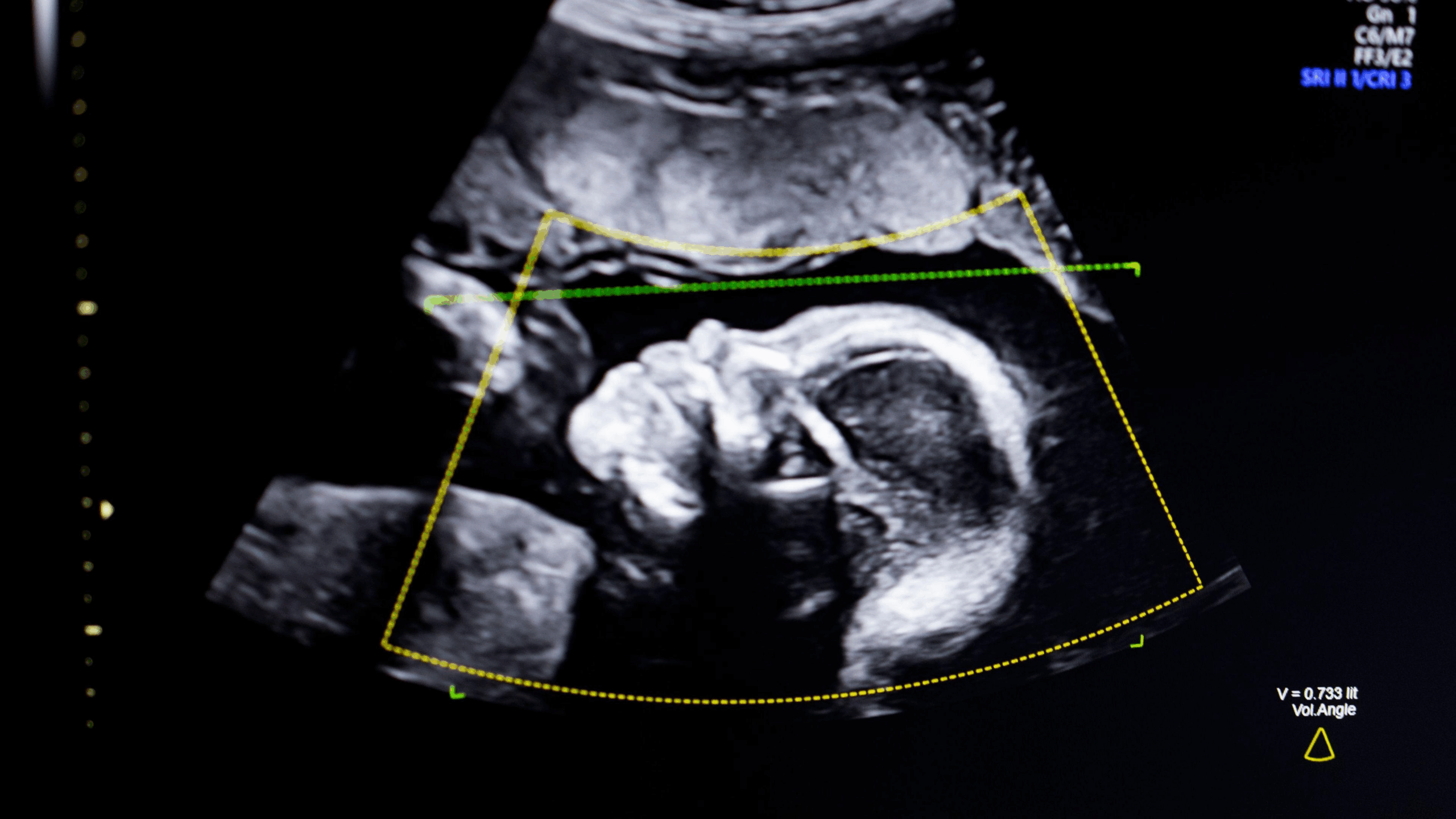
Examples cited by the professional body are chilling. In one instance, an unregistered sonographer at a private clinic allegedly told a woman, eight or nine weeks pregnant, that there was no heartbeat and the fetus was severely malformed. The woman was advised to seek an induced miscarriage at an NHS hospital. Upon a subsequent NHS scan, however, it was discovered that the fetus was perfectly fine, and the private clinician had mistakenly measured an adjacent blood clot. If the hospital had proceeded with the private clinic’s recommendation, the baby would have been unnecessarily miscarried. Other examples include private clinics missing obvious abnormalities like spina bifida and polycystic kidneys, or providing outdated and dangerous advice, such as recommending two weeks of bed rest for a potential issue, which significantly increases the risk of deep vein thrombosis and pulmonary embolism.
The Regulatory Void: A Call for Mandatory Registration
The central issue fueling this safety crisis is the glaring regulatory loophole: the lack of mandatory professional registration for sonographers working in these commercial ‘keepsake’ environments. While clinical sonographers in hospitals adhere to stringent training requirements and are registered with appropriate regulatory bodies, many commercial providers are not subject to the same level of oversight. The Society of Radiographers is now calling for a crucial change in the law to ensure that only individuals who have completed approved qualifications and are registered with the appropriate regulatory body are legally permitted to call themselves a sonographer.
This legislative action seeks to close the gap where, as the SoR pointed out, a sonographer previously struck off the professional register for serious misconduct was able to continue working in private, high-street ultrasound clinics. The public, particularly expectant parents, often assumes a scan is a scan—that a person operating a medical-grade device is a fully qualified medical professional. The reality, in the entertainment sector, can be dramatically different.
The Royal College of Obstetricians and Gynaecologists (RCOG) has also weighed in, stating that while women may choose to have extra private scans for reassurance, ‘others may not have the same level of clinical oversight or expertise and may miss important health concerns’. The clear differentiation between ‘reassurance, imagery, or experience’ and ‘diagnosis’ is not always clearly communicated to the consumer, leading to perilous misunderstandings about the limitations of the service.
The Unwavering Medical Stance: A Decades-Old Warning
For decades, the mainstream medical community has maintained an unwavering, unified front against the non-medical use of ultrasound. Organizations like the American Institute of Ultrasound in Medicine (AIUM) and the U.S. Food and Drug Administration (FDA) have consistently and explicitly discouraged ‘entertainment’ ultrasounds.
Their opposition rests on two core principles:
- Prudence and Bioeffects: Although current diagnostic ultrasound is generally considered safe, the possibility of future-identified biological effects is not zero. The guiding principle in clinical practice is ALARA (As Low As Reasonably Achievable), meaning the ultrasound energy and exposure time should be kept to the minimum necessary to achieve a medical benefit. Since entertainment scans offer no medical benefit, any exposure, however small, is deemed unnecessary and imprudent. The FDA views the sale and use of diagnostic ultrasound equipment for keepsake videos as an ‘unapproved use of a medical device’.
- Misinterpretation and False Reassurance: When a non-medical professional performs a scan, there is a dual risk. They may miss a genuine pathology, giving the parents a dangerous false reassurance, or they may mistakenly identify a non-existent problem (like the blood clot misdiagnosed as a dead fetus), causing extreme and unnecessary parental anxiety and leading to inappropriate clinical referrals.
The Expanding Risk: Home-Use Devices and New Technologies
The regulatory challenge extends beyond high-street boutiques and into the home, a parallel concern recently brought before global health leaders. In June 2024, GAMPT presented research findings to the WHO International Advisory Committee on Non-Ionizing Radiation on the risk assessment of freely available ultrasound devices for home and cosmetic use. The study concluded that many of these freely available devices do not meet necessary safety standards, posing a considerable health risk when used improperly by non-professionals. While these are not directly the 3D/4D keepsake businesses, they represent a significant regulatory blind spot where consumers, armed with increasingly accessible technology, are performing scans without any professional training or clinical oversight.
Conversely, the proven benefits of professional, integrated ultrasound technology continue to grow. A recent study in January 2025 highlighted that implementing Point-of-Care Ultrasounds (POCUS) in the first trimester—a clinical approach—significantly enhanced early pregnancy care and cut emergency visits by 81% for non-miscarrying patients, reinforcing the efficiency and critical diagnostic value of properly utilized ultrasound.
The Path Forward: Alignment, Transparency, and Accountability
The current crisis is forcing a necessary confrontation with the commercialization of prenatal imaging. Experts agree that the debate is shifting away from the elimination of commercial scanning—acknowledging the genuine desire from parents for a positive bonding experience that clinical settings often can’t provide due to time constraints and a focus on pathology—and toward alignment and transparency.
Moving forward, stakeholders across the healthcare and regulatory spectrums are demanding:
- Mandatory Registration: A legal requirement that anyone performing an obstetric ultrasound, regardless of the setting, must be a fully qualified and registered sonographer.
- Clear Role Definition: Commercial clinics must clearly and unequivocally communicate that their scan is not a diagnostic medical procedure and explicitly detail the limits of their service.
- Standardized Referral Pathways: Establishing mandatory, consistent protocols for immediate referral to clinical care when a commercial provider suspects an abnormality, ensuring the patient bypasses any risk of misguided non-clinical advice.
The convenience and emotional value of ‘keepsake’ scans are powerful market forces, but the recent revelations demonstrate that convenience cannot supersede the imperative of patient safety. The crisis on the high street serves as a sobering reminder: an ultrasound machine is a medical device, and the difference between clinical utility and entertainment is nothing less than the well-being of a mother and her child.
Frequently Asked Questions (FAQs)
What is the main difference between a clinical and an entertainment ultrasound?
A Clinical (Diagnostic) Ultrasound is medically necessary, ordered by a qualified healthcare provider, and performed by a registered sonographer to assess the health, viability, and development of the fetus. Its purpose is to diagnose. An Entertainment (Keepsake) Ultrasound is elective, non-medical, and performed primarily for bonding, imagery (3D/4D), or gender determination. Its primary objective is not medical diagnosis.
Are entertainment ultrasounds safe?
Medical authorities like the AIUM and FDA state that while diagnostic ultrasound has a long track record of safety, any non-medical use is discouraged because there is no medical benefit to outweigh the potential or unknown biological effects, no matter how small. They advocate the ALARA principle (As Low As Reasonably Achievable), which means avoiding unnecessary exposure. The recent controversy also highlights the safety risk of missed diagnoses or misdiagnosed conditions due to the lack of regulation and clinical expertise in some non-medical settings.
Why are medical professional bodies calling for a change in the law?
Professional bodies like the Society of Radiographers are urgently calling for new legislation to mandate that all individuals performing obstetric ultrasounds, including those in high-street ‘keepsake’ clinics, must hold approved qualifications and be on a compulsory professional register. This is a direct response to recent cases where unregistered sonographers in commercial settings have allegedly missed severe health issues or provided dangerous, outdated advice.
Is the use of at-home ultrasound devices also considered a risk?
Yes. Recent research presented to the WHO in 2024 indicated that many freely available ultrasound devices for home use do not meet necessary safety standards and pose a health risk, especially when used by non-professionals. The risk involves both the device safety standards and the potential for misuse or misinterpretation of results by an untrained individual.
How can I check if a private ultrasound clinic is safe and qualified?
In the UK, you can check if a private clinic is registered with the Care Quality Commission (CQC) and when they were last inspected. Furthermore, you should ask the clinic directly for the professional registration details of the sonographer who will be performing the scan. A fully qualified clinical sonographer will be registered with a body such as the American Registry for Diagnostic Medical Sonography (ARDMS) or the UK’s Register of Clinical Technologists (although the latter is currently voluntary).
Read More:

This Post Has 0 Comments