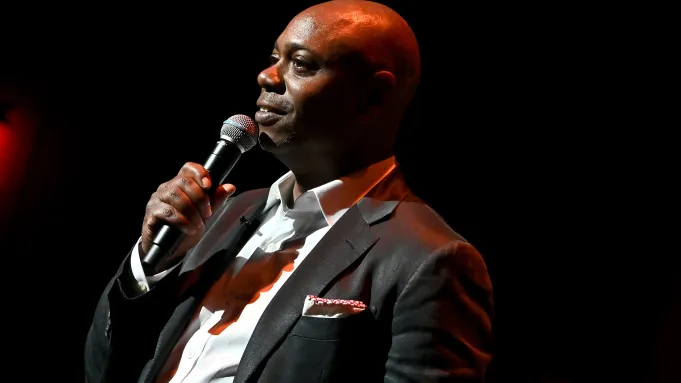
Chappelle’s Free Speech Firestorm: Comedian’s Claim of SNL Censorship on Gaza and Trans Issues Reignites Culture War Debate
The Unwritten Rules: Dave Chappelle’s Explosive SNL Censorship Claim and Its Echoes in the American Culture War
Dave Chappelle, the undisputed king of controversial comedy, has once again positioned himself at the epicenter of a national debate on freedom of expression. The entertainment world is still reeling from the aftermath of his high-profile January 2025 hosting gig on Saturday Night Live, an appearance that was immediately hailed for its record-breaking, nearly 17-minute monologue. However, the controversy surrounding that night didn’t end with the closing credits. Weeks later, in a subsequent stand-up performance, Chappelle delivered a new, explosive claim: that SNL producers had explicitly banned him from discussing two crucial, deeply polarizing topics—Gaza and transgender issues—during his monologue.
This allegation, though made in February 2025, continues to reverberate deeply across the American media landscape in November, solidifying Chappelle’s role not just as a comedian, but as a key—and often defiant—figure in the ongoing culture wars. It raises uncomfortable questions about the limits of ‘live’ television, the political liabilities of major networks like NBC, and the true cost of ‘unfiltered’ comedy in an increasingly polarized society.
The Return and The Repercussions: January’s Record-Breaking Monologue
Chappelle’s return to the SNL stage on January 19, 2025, was one of the most anticipated television events of the year. Historically, Chappelle has used the SNL platform in the immediate aftermath of US presidential elections—2016 and 2020—to offer a moment of cultural reflection, often adopting the persona of a candid ‘Voice of the People’. His 2025 appearance, coming as a final show before the return of Donald Trump to the White House as the 47th President, carried immense weight.
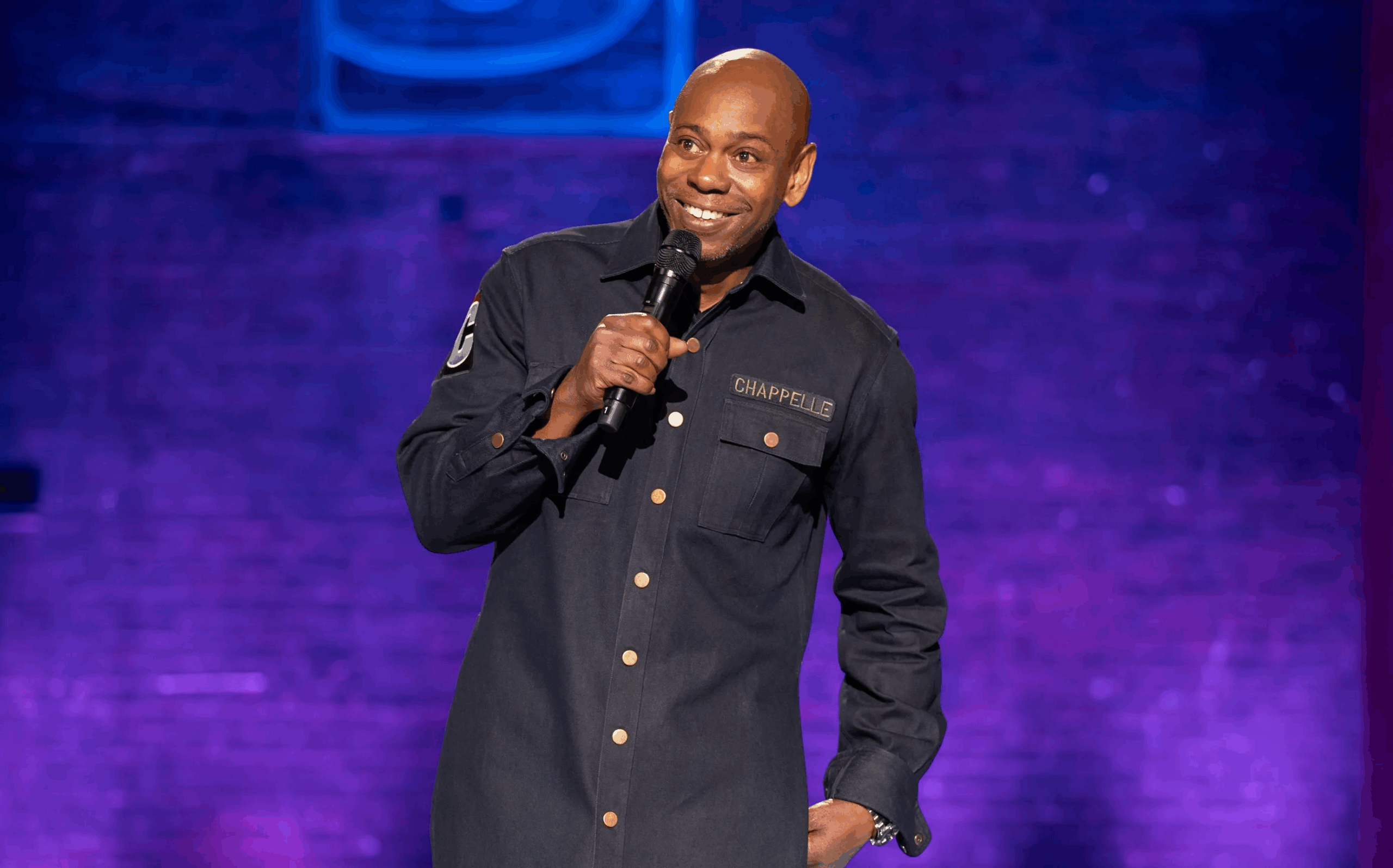
The comedian, seated and perpetually smoking, delivered a monologue that clocked in at an unprecedented 16 minutes and 49 seconds, the longest in the show’s 50-year history. The content was sprawling, covering local issues like the devastating Los Angeles fires, pop culture figures like Sean ‘Diddy’ Combs, and national politics. He notably ended his segment with a moving, somber tribute to the recently deceased former President Jimmy Carter, calling for better human empathy and saying to the newly elected Trump, “Do not forget your humanity and please have empathy for displaced people, whether they’re in the Palisades or Palestine,” a closing line that was both poignant and subtly political.
While the monologue was praised by some as an example of Chappelle’s masterful ability to command a room and find humor in grim subjects, others noted his attempts to avoid his usual ‘controversial’ topics, with the comedian himself winking at the camera and stating he was “tired of being controversial”. This self-referential acknowledgment of his controversial brand—largely cemented by his jokes about the transgender community in his Netflix specials—set the stage for his later, more explosive revelations.
The Allegation: ‘Banned’ Topics and the Irony of Free Speech
In a subsequent stand-up appearance, Chappelle shocked audiences and the media when he claimed that the lengthy SNL monologue was actually the result of network-mandated omissions. According to reports from the show’s attendees, Chappelle alleged that producers had given him a direct order to steer clear of two specific, highly sensitive subjects: Gaza and transgender issues.
This claim immediately catapulted the comedian back into the center of the free speech debate, an area he has deliberately occupied for years. The irony is stark: Chappelle, who has built a lucrative second act on defying ‘cancel culture’ and proclaiming his commitment to First Amendment principles, was now alleging he was censored by one of the most powerful institutions in American television. He often touts that the First Amendment is first for a reason.
For his defenders, the allegation serves as definitive proof of a ‘woke’ cultural climate that stifles legitimate artistic expression and political commentary. They see the alleged ban as an attempt by the network to protect its brand and avoid the kind of intense public relations backlash that Chappelle’s past commentary on the LGBTQ+ community—particularly his 2021 special The Closer—had triggered at Netflix. The fact that he was allegedly barred from speaking on the Israel-Gaza conflict, a topic of intense and often volatile protest across the US, further suggests a high degree of risk-aversion from the network.
The Network’s Silence and The Comedian’s Platform
As of November 2025, NBC and Saturday Night Live have maintained a characteristic silence on the specifics of Chappelle’s claim, a strategy that often allows a controversy to dissipate but, in this case, has fueled speculation. The lack of a clear denial lends credence to Chappelle’s narrative, which plays perfectly into his established brand as a defiant truth-teller who is willing to challenge powerful institutions.
Chappelle’s decision to use an alternative platform—his own, live stand-up show—to air the grievances about network limits is a calculated move. It demonstrates that the only truly ‘free’ platform for his brand of provocative commentary is one he controls entirely, away from the corporate concerns of television networks and streaming giants. It transforms him from a performer into a spokesperson for a perceived widespread feeling that political correctness has encroached on comedy and art.
The Broader Implications for American Comedy and Culture
The ongoing conversation stemming from the SNL controversy is a critical mirror for American culture. Chappelle’s work has become a litmus test for where individuals stand on the axis of social responsibility versus artistic license.
- Platform Liability: For NBC, the alleged censorship highlights the impossible position of large media companies trying to host a controversial figure. On one hand, booking Chappelle drives massive ratings and cultural relevance; on the other, his material carries significant political and financial risk. The alleged decision to pre-emptively remove two highly volatile topics suggests a corporate prioritizing of brand safety over uncensored political humor.
- The ‘Chappelle Effect’: The incident reinforces the ‘Chappelle Effect’ in comedy, where a performer’s celebrity status insulates them from the career-ending consequences faced by lesser-known artists. He has won a Grammy for a much-criticized special, continues to sell out massive tours, and his relationship with Netflix, despite internal protests, remained intact. His power allows him to publicly criticize his censors without fear of reprisal.
- The Perpetual Culture War: Ultimately, the SNL controversy is a flashpoint in the culture war that dominates US public discourse. The fight over whether comedians should punch up, punch down, or be allowed to punch at all, has morphed into a battle over what topics are even permissible for a national audience. By claiming censorship on issues involving a global conflict and domestic LGBTQ+ rights, Chappelle ensures that he remains the central protagonist in that battle, long after the applause for his monologue has faded.
Chappelle, whether intentionally or by simply being himself, has turned his career into a continuous examination of American tolerance. The revelation about his SNL experience is not just entertainment news; it is a commentary on the shrinking space for difficult, challenging, and uncomfortable dialogue in mainstream American media, a dialogue Chappelle is determined to keep alive, even if he has to create his own stage for the response.
Frequently Asked Questions (FAQs)
Q1: What was Dave Chappelle’s most recent major TV appearance?
A: Dave Chappelle hosted Saturday Night Live (SNL) on January 19, 2025. This episode was the first of the year and his fourth time hosting the show.
Q2: What did Dave Chappelle claim he was censored on during his SNL appearance?
A: Chappelle later claimed during a stand-up performance that SNL producers had explicitly told him he was not allowed to speak about two topics in his monologue: the Gaza conflict and transgender people.
Q3: How long was the monologue and what were its main topics?
A: His January 2025 monologue was a record-breaking 16 minutes and 49 seconds long. Topics included the LA wildfires, the controversy surrounding Sean ‘Diddy’ Combs, and the political climate following the election of Donald Trump, ending with a tribute to Jimmy Carter and a call for empathy for displaced people.
Q4: Did SNL or NBC confirm Dave Chappelle’s censorship claim?
A: No. As is common practice with such controversial internal claims, neither Saturday Night Live nor NBC have issued an official public statement or denial regarding Dave Chappelle’s allegations of censorship on the two specific topics.
Q5: Why is Dave Chappelle considered a central figure in the ‘cancel culture’ debate?
A: Chappelle’s comedy, particularly his Netflix specials like The Closer, has repeatedly included jokes about the transgender community, drawing intense backlash and accusations of bigotry from LGBTQ+ advocates. His refusal to apologize and his continued success—including high-profile TV appearances and Grammy wins—make him a symbol for the debate over free speech, platform accountability, and the limits of comedy.
Read More:

This Post Has 0 Comments