
Bollywood’s Father Problem: Why New Global Dramas—and Amaal Mallik’s Viral Confession—Expose the Industry’s Flaw in Writing Dads
The Patriarchal Mirage: Why Bollywood Dads Remain Stuck Between ‘Rigid’ and ‘Cool Friend’
For decades, the Bollywood father figure has operated on a limited script: he is either the imposing, hyper-moral patriarch (the Amrish Puri mould in Dilwale Dulhania Le Jayenge) or the effortlessly ‘cool friend’ who shots down beers with his son (the Anupam Kher mould in the same film). While this duality provided narrative conflict in the 90s, a striking contradiction has emerged in 2025. As global cinema pivots to deeply nuanced explorations of fatherhood, financial vulnerability, and parental trauma, Indian storytelling is being accused of treating children—and by extension, the father-child dynamic—as mere ‘visual elements’ confined to the plot’s fringes.
This week, the debate exploded into public consciousness on two fronts: a highly circulated analysis contrasting Bollywood’s narratives with the emotional complexity of international series like Adolescence and The Death of Bunny Monroe, and a deeply personal, real-life drama within a prominent Bollywood music family that mirrored the very flaws critics are pointing out.
The ‘Masterclass for Parents’ That Exposed Bollywood’s Gap
The most pointed critique arrived via a global commentary that highlighted how shows like the British series Adolescence are placing teen performers at the emotional epicenter of stories concerning grief, masculinity, and trauma. These narratives deliberately depict the messy, often catastrophic, choices adults make and the profound impact they have on their children. High-profile Indian filmmakers, including Karan Johar, praised the show, with Johar specifically calling it a “masterclass for parents” and a “wake-up call,” noting, “Everything you do rubs off on your child.” His strong reaction inadvertently underlined the very gap in contemporary Hindi cinema: the reluctance to embrace the vulnerable, emotionally inept, or financially failing father figure.
Jury members at recent major Indian film awards have also echoed this sentiment, arguing that many submissions use child actors purely as ‘props’ or ‘visual elements’ rather than driving forces of a complex plot. This reluctance to center the narrative on the true, gritty complexity of family dynamics is precisely why Bollywood often fails at crafting authentic father figures. The father must either be the ultimate, unquestionable source of morality or the non-threatening, perpetually supportive enabler. He is rarely the flawed, scared, or unintentionally abusive man caught between cultural expectations and personal failures. The character is an archetype, not a human being.
The Real-Life Controversy: Amaal Mallik’s ‘Failure’ Confession
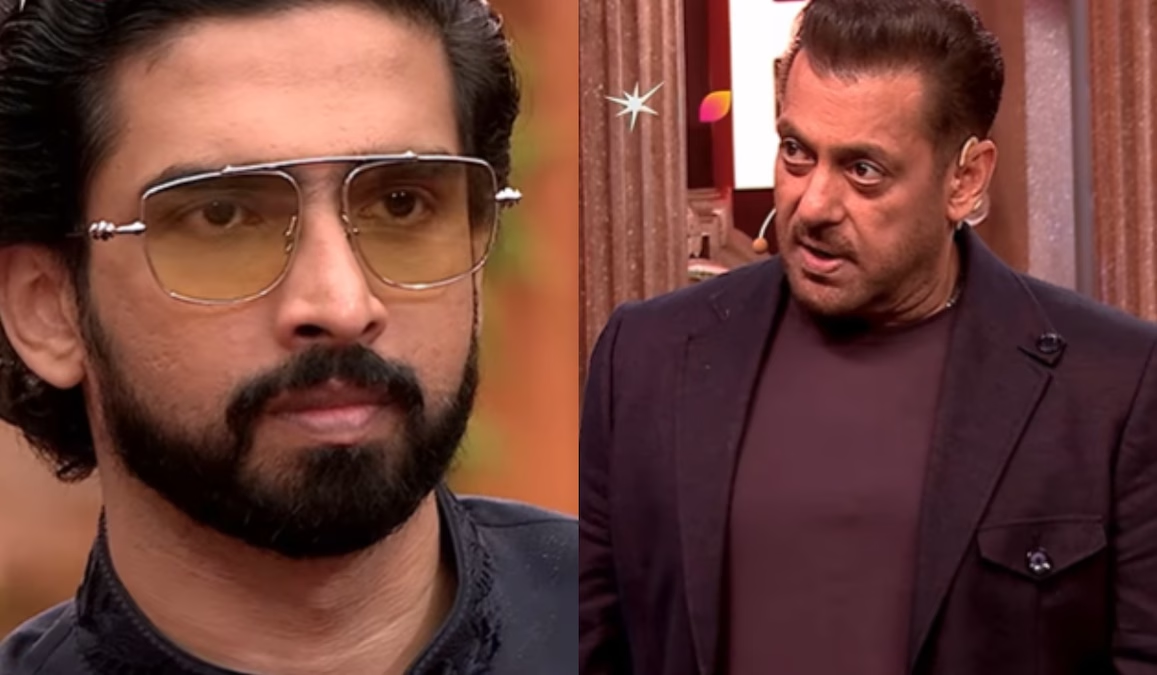
The analytical debate found a raw, real-life parallel this week when a video of musician Amaal Mallik resurfaced and went viral. During a heated discussion on nepotism, Amaal, the son of composer Daboo Mallik, made a stark, painful admission to explain his own struggle, stating, “Daboo Malik was a failure and I have no problem in admitting it. My father failed.” The candid, almost brutal, comment sparked a massive social media conversation, with the public divided over its sensitivity. While Amaal intended to highlight the struggles of ‘reverse nepotism,’ his words thrust the very concept of the ‘failed father’ into the spotlight.
Daboo Mallik’s dignified and poignant response on social media—“Some people carry battles no one sees. Just being there even on the hardest days, is a kind of courage most people never talk about. Picture Abhi Baaki Hai…”—is the exact, nuanced emotional drama that Bollywood consistently overlooks. It speaks to a father’s silent struggle, the weight of expectations, the pain of perceived public failure, and the complex, often misunderstood foundation of a father-son bond that is built not on cinematic success, but on simply being present. This kind of vulnerability—the internal turmoil of a man whose public and personal roles clash—is typically sanitized or sensationalized on screen, never treated with the quiet dignity Daboo Mallik displayed in his real-life reaction.
Furthermore, the recent emotional confession of former cricketer and actor Yograj Singh, Yuvraj Singh’s father, about feeling profound loneliness after his son and wife left him, underscores the reality that celebrity fathers, too, are susceptible to devastating personal and family fractures, issues Bollywood avoids in favor of grand, sweeping heroism. These real-life stories demand a cinema that can reflect the shades of gray, the disappointments, and the fragility of the paternal relationship.
The Systemic Failure: Archetype Over Character
Why does Bollywood retreat to these safe archetypes? The answer lies in the systemic pressures of commercial cinema and a lingering cultural expectation. The ‘patriarch’ archetype is culturally comfortable; his rigidity is a stand-in for societal morals. In blockbuster filmmaking, the father figure often serves one of two functions:
- The Obstacle/Motivator: He must provide the conflict (the ‘No’ that forces the hero/heroine to rebel) or the ultimate validation (the final ‘Yes’ that completes the love story). This reduces his personality to a narrative device.
- The Moral Foundation: He must be the unshakeable Dharam (moral duty) figure, making his financial or emotional failure antithetical to his required on-screen stature. The father’s machismo, once yielding to ‘easy-going sexuality and intimacy’ in a few films, ultimately reverts to a symbol that must not fail because, culturally, the family’s honor rests on his shoulders.
Even when historical context demands vulnerability, the character is often whitewashed. Karan Johar’s own reflections on his late father, Yash Johar, being disrespected by the industry after a string of flops—where they were given ‘substandard seats’ at premieres—highlight the industry’s own brutal, unromantic view of the vulnerable, struggling father-producer. This vulnerability is a powerful story, yet it remains largely confined to memoir and gossip, not mainstream storytelling.
Conclusion: The Need for the ‘Flawed Dad’
The new critical consensus, fueled by the stark contrast with global content and the viral candor of industry insiders, is that Bollywood must move beyond the ‘Good Dad/Bad Dad’ binary. It is time to retire the perfect patriarch and the flawless ‘daddy cool’ in favor of the humanized father: the man who is trying his best and ‘usually getting it terribly wrong.’ The father who is financially insecure, emotionally distant not out of malice but out of confusion, or the one whose ‘failure’ is a source of complex shame for his successful children.
To write a truly compelling father figure is to write a character who is complex, not just symbolic. Only by embracing this level of authenticity—by showing the private, unseen battles—can Bollywood elevate its family narratives to meet the emotional maturity of global storytelling and truly resonate with an audience that lives in the gray areas cinema currently ignores.
Frequently Asked Questions (FAQs)
Q1: What is the main criticism of Bollywood’s portrayal of father figures?
The main criticism is that Bollywood rarely writes genuinely complex, flawed, or humanized father figures. They are often confined to one of two tropes: the ‘rigid patriarch’ (the obstacle) or the ‘cool friend’ (the enabler). This two-dimensional portrayal fails to capture the emotional, financial, and personal struggles of modern fatherhood, reducing the character to a mere narrative archetype or a ‘visual element.’
Q2: Which recent real-life Bollywood controversy brought the ‘failed father’ debate back into the spotlight?
The recent controversy involving musician Amaal Mallik and his father, composer Daboo Mallik, reignited the debate. Amaal’s resurfaced comment calling his father a “failure” in the context of the nepotism debate, followed by Daboo Mallik’s poignant public response, provided a raw, real-life example of the complex, unspoken struggles within the industry that often go unaddressed in fictional narratives.
Q3: How do global shows like ‘Adolescence’ contrast with Indian cinema’s approach?
Global shows like Adolescence and The Death of Bunny Monroe focus on the emotional complexities of childhood and place young characters at the ’emotional epicenter’ of adult dramas involving trauma and family strife. They portray flawed fathers making catastrophic choices. Indian cinema, by contrast, is being criticized for using children and family dynamics as decorative elements rather than central emotional forces. Even leading directors like Karan Johar have called the international approach a “masterclass for parents,” highlighting the genre gap in Bollywood.
Q4: Why does Bollywood continue to rely on patriarchal archetypes?
Bollywood relies on these archetypes largely due to the systemic pressures of commercial cinema and cultural expectations. The father figure is often required to be the ultimate moral foundation (Dharam), making any deep exploration of his personal failure, insecurity, or emotional confusion a commercial risk or a challenge to the conservative family narrative structure. The character is primarily a tool for narrative conflict or resolution, not a fully realized human being.
Read More:

This Post Has 0 Comments