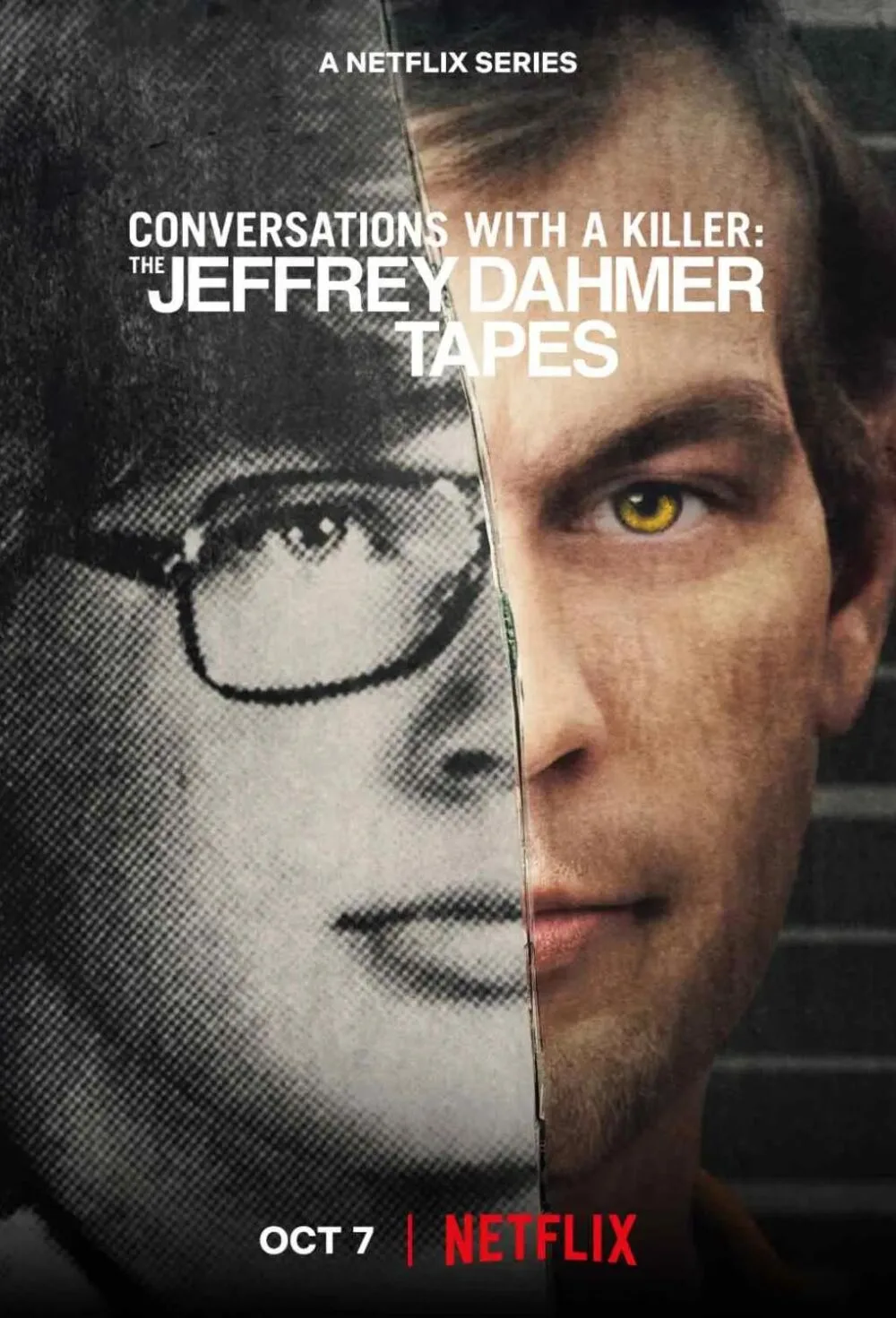
Conversations with a Killer: The Jeffrey Dahmer Tapes 2022 Movie Cast, OTT, Budget, Box Office, And More
Rating: 7.3/10 (10668 votes)
Release Date: 2022-10-07
Plot
Conversations with a Killer: The Jeffrey Dahmer Tapes 2022 Movie Cast, OTT, Budget, Box Office, And More
Serial killer Jeffrey Dahmer confesses to his gruesome crimes in unguarded interviews, offering an unsettling view into a disturbed mind.
Stay updated about movies with Bollywooddadi.com
Details
Cast
You May Also Like



Unmasking the Void: Inside Conversations with a Killer: The Jeffrey Dahmer Tapes (2022)
The world of true crime is constantly re-examining its most notorious figures, but few cases hold the macabre fascination—and carry the significant socio-political weight—of Jeffrey Dahmer. In late 2022, Netflix released a dual deep-dive into the “Milwaukee Cannibal,” first with the scripted drama DAHMER – Monster: The Jeffrey Dahmer Story and immediately followed by the chilling documentary series, Conversations with a Killer: The Jeffrey Dahmer Tapes.
Directed by acclaimed true-crime documentarian Joe Berlinger, this three-part series marks the third installment in the Conversations with a Killer anthology, following explorations of Ted Bundy and John Wayne Gacy. However, this installment does more than just recount horrors; it uses the killer’s own words to force a confrontation with the institutional failures that allowed his reign of terror to persist for over a decade.
The Tapes: Dahmer in His Own Words
The central, most compelling feature of the documentary is the use of never-before-heard audio recordings between Jeffrey Dahmer and his defense team. Specifically, the series draws heavily from the more than 32 hours of conversations recorded by his lawyer, Wendy Patrickus, as she prepared for his trial.
These tapes offer a raw, unvarnished window into the mind of the serial killer, detailing his horrific crimes and his attempts to rationalize the unconscionable. They were made in the period following his 1991 arrest, a time when Milwaukee police discovered a “grisly personal museum” in his apartment, containing human remains, skulls, and bones. Dahmer quickly confessed to 17 murders committed between 1978 and 1991 in Wisconsin and Ohio, acts that included necrophilia and cannibalism.
Key Revelations from the Recordings
While the series features new interviews with journalists, prosecutors, and even Dahmer’s father, the audio recordings are the true core, providing unsettling first-hand accounts of his:
- Warped Psyche: The tapes allow Dahmer to speak with a chilling calmness about his urges and motives, detailing how his desires evolved from simply wanting to keep his victims to the extreme acts he committed.
- Desperation and Loneliness: Dahmer speaks to Patrickus about his profound sense of isolation, suggesting his motivation was rooted in a desperate need for complete control over a companion.
- Attempts to Explain: The recordings capture the killer grappling with explaining his ‘private little world’ and the internal ‘fight’ he lost against his homicidal and sexual compulsions.
Beyond the Monster: Race, Class, and Police Failure
What sets The Jeffrey Dahmer Tapes apart from simple sensationalism is its determined focus on the systemic issues that enabled his extended murder spree. The documentary powerfully argues that Dahmer, a white male preying on predominantly marginalized individuals, was allowed to operate due to a confluence of societal factors, chiefly police indifference and accountability failures in Milwaukee.
The series dedicates significant time to exploring the victims and the community he targeted: men, many of whom were people of color, from the city’s gay scene.
- The Christopher Scarver Incident: The series covers the critical events leading up to Dahmer’s capture, but its most impactful commentary revolves around moments of police failure. One segment, in particular, re-examines the 1991 incident involving 14-year-old Konerak Sinthasomphone. The boy escaped Dahmer’s apartment, naked and drugged, only to be found by Black community members who flagged down police. Despite clear evidence of distress and the neighbors’ insistence on a crime, the responding officers took Dahmer’s word—a “nice young white man”—that the incident was a lovers’ quarrel, and they returned the victim to his killer.
- Racial and Homophobic Bias: The documentary uses this and other examples to shine a light on the blatant homophobia and racism present within the police force and the city’s perception of its marginalized communities. The series posits that a greater value was placed on the word of a white man than on the testimonies of gay men and people of color.
A Needed Context in the True Crime Wave
The release of Conversations with a Killer: The Jeffrey Dahmer Tapes came on the heels of the successful scripted series, prompting a renewed, and sometimes uncomfortable, public conversation about the ethics of true crime.
However, Berlinger’s approach maintains a crucial distinction. While the scripted show focused on the monster, the documentary attempts to use the factual evidence—the tapes and new interviews—to contextualize his crimes within a larger societal framework. By foregrounding the victims and the police failures, the series seeks to honor the lives that were lost and push for a modern-day reckoning with the intersection of race, sexuality, class, and criminal justice. For viewers seeking a factual, deeply researched companion piece to the dramatization, or an unflinching examination of a pivotal moment in true-crime history, The Jeffrey Dahmer Tapes offers a grim, yet necessary, viewing experience.
AISEO Friendly FAQs
1. Who directed Conversations with a Killer: The Jeffrey Dahmer Tapes?
The docuseries was directed by Joe Berlinger, a prominent figure in true-crime documentary filmmaking, known for his work on the previous installments of the Conversations with a Killer anthology (The Ted Bundy Tapes and The John Wayne Gacy Tapes).
2. What is the most significant new material in the Jeffrey Dahmer documentary?
The documentary’s most significant new material is the inclusion of “never-before-heard” audio recordings of conversations between Jeffrey Dahmer and his defense team, particularly his lawyer, Wendy Patrickus, recorded during his incarceration following his 1991 arrest.
3. How many episodes are in the series and when was it released?
Conversations with a Killer: The Jeffrey Dahmer Tapes is a limited docuseries consisting of three one-hour episodes. It was released on Netflix on October 7, 2022.
4. Does the documentary focus only on Jeffrey Dahmer’s crimes?
No, while the documentary extensively covers Dahmer’s crimes and delves into his disturbed psyche, a major focus is also placed on exploring themes of police accountability, race, and homophobia. The series investigates how societal and institutional failures allowed Dahmer to target and murder predominantly men of color from Milwaukee’s gay community for so long.
5. Was this documentary released at the same time as the scripted series about Dahmer?
Yes, Conversations with a Killer: The Jeffrey Dahmer Tapes was released on Netflix shortly after the hugely popular scripted drama series DAHMER – Monster: The Jeffrey Dahmer Story, providing viewers with a non-fiction, complementary look at the case.
Frequently Asked Questions
The main star cast for Conversations with a Killer: The Jeffrey Dahmer Tapes 2022 includes Park Dietz, Wendy Patrickus, and Anne E. Schwartz.
Serial killer Jeffrey Dahmer confesses to his gruesome crimes in unguarded interviews, offering an unsettling view into a disturbed mind.Stay updated about movies with Bollywooddadi.com
Conversations with a Killer: The Jeffrey Dahmer Tapes 2022 was released on October 7, 2022.
Conversations with a Killer: The Jeffrey Dahmer Tapes 2022 is primarily in the Biography, Crime, Documentary genre(s).