
Blind Loyalty Movie Cast, OTT, Budget, Box Office, And More
Release Date: TBD
Plot
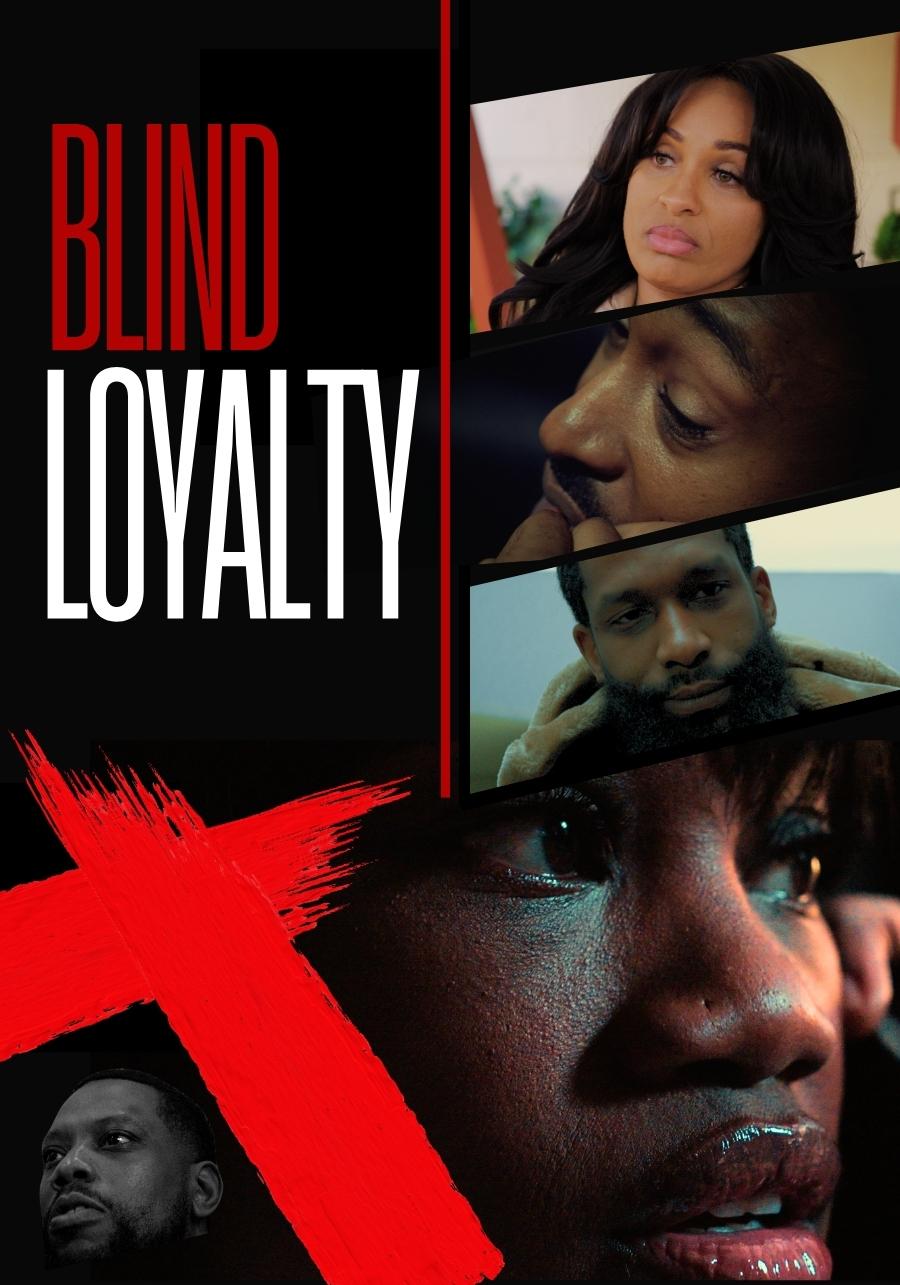
Blind Loyalty is a film, Drama, Thriller movie, in English, starring Tyfease Kennedy, directed by Maurice Paramore from United States.
After escaping an abusive relationship, a woman desperate for a fresh start finds herself in a dangerous game of deception, loyalty and survival.
Watch on: will update soon
Continue Reading
To explore more of the cinema world, make sure to check out our detailed features on Ne Zha 2 Cast, OTT, Budget, Box Office, And More, Despatch Cast, OTT, Budget, Box Office, And More and Fated to My Bad Boy Alpha Cast, OTT, Budget, Box Office, And More. We recommend these to all film lovers.
Stay updated about movies with Bollywooddadi.com
Details
Cast
Crew
Directors: Maurice Paramore
Writers: Maurice Paramore
The Heavy Cost of Unquestioning Allegiance: An Examination of Blind Loyalty
Loyalty is widely considered a foundational human virtue. It builds strong relationships, secures communities, and underpins the success of organizations. However, when this commitment becomes absolute, unwavering, and—most critically—unthinking, it crosses a dangerous line into what is known as blind loyalty.
Blind loyalty is not the same as steadfast support; it is an allegiance to a person, organization, or ideology that persists even when the facts, the morality of their actions, or one’s own self-interest clearly suggest a different path. It is the active suppression of critical thought in favor of allegiance, and its consequences can be devastating on both a personal and a societal scale.
Defining the Blind Spot
At its core, blind loyalty is an emotional commitment that overrides rational judgment. It is the act of wearing “foggy glasses” that obscure the details and potential dangers of a situation.
The key distinction lies in the role of criticism and evidence:
- Healthy Loyalty: Built on trust, respect, and shared values. It is active and critical, meaning a loyal friend or colleague will offer constructive dissent, hold the other party accountable, and speak the “hard truth” when necessary to prevent harm.
- Blind Loyalty: Characterized by passive and unquestioning devotion. It forces an individual to ignore, rationalize, or actively defend the object of their loyalty, even when they witness unethical behavior, incompetence, or abuse. An individual with blind loyalty places the value of the alliance above their own well-being or moral principles.
Philosopher Josiah Royce described loyalty as a central moral duty, but even he noted that it can become problematic if it descends into blind fanaticism.
The Psychology Behind Unwavering Obedience
Why do intelligent people choose to turn off their internal alarm bells? The motivation behind blind loyalty often stems from deep-seated psychological needs:
- Safety and Belonging: Humans are wired for group belonging. To challenge a leader or a group means risking exclusion, which, in an evolutionary sense, was a threat to survival. The fear of being labeled a “traitor” can push people to great lengths to prove their allegiance.
- The Comfort of Compliance: As the notorious Nazi criminal Adolf Eichmann once stated, “A life predicated on being obedient is a very comfortable life indeed. Living in such a way reduces to a minimum one’s own need to think”. Blind obedience offers a relief from the “heavy burden of responsibility” and the sharp pain of doubt.
- The Ethical Fading Bias: In group settings, loyalty can lead to “moral typecasting,” where members see their in-group as moral victims and outsiders as moral violators. This tribal bias allows individuals to rationalize unethical acts—such as a company manipulating emissions tests—as “protecting jobs” or “gamesmanship” rather than as outright cheating.
Real-World Consequences: When Loyalty Fails
History and the corporate world are littered with cautionary tales demonstrating the destructive power of unquestioning allegiance.
In the Corporate World
In business, blind loyalty fosters a “yes-man” culture and creates organizational blind spots that can lead to catastrophic failure.
- Enron: The company’s massive financial fraud was fueled, in part, by employee loyalty that blinded many to what was actually happening within the organization.
- Volkswagen: In the emissions scandal, internal teams reportedly rationalized the deception as an act of group loyalty aimed at “protecting jobs”.
- Leadership Collapse: In a high-stakes environment like the one surrounding FTX’s leadership collapse, the absence of independent, critical feedback led to a complete erosion of trust and enormous financial costs, highlighting the dangers of leaders living in “echo chambers”.
In Politics and History
The most devastating historical examples show how blind loyalty can enable atrocities by overriding universal moral concerns:
- Jonestown Massacre: The 1978 mass suicide/murder in Jonestown, Guyana, involving over 900 members of the Peoples Temple, is the event that gave rise to the chilling phrase “drinking the Kool-Aid” to describe extreme, unquestioning devotion to a destructive leader.
- Political Scandals: The Storming of the U.S. Capitol in 2021 was fueled by a high-competition environment where deeply loyal supporters were given a strong “call to action,” causing their values to “fade away, replaced by blind loyalty and a craving to win at all costs”. Michael Cohen, a former attorney for Donald Trump, later acknowledged his crime-inducing “weakness was a blind loyalty” that led him to violate campaign laws.
Cultivating a Healthy, Informed Loyalty
The remedy for blind loyalty is not disloyalty but the commitment to critical thinking. A trustworthy individual or organization welcomes scrutiny and transparency.
To practice a healthy, informed loyalty, individuals should adopt the following approach:
- Prioritize Principles over Person: True loyalty should be anchored to moral values—integrity, honesty, and fairness—rather than to a specific personality or group affiliation.
- Be Willing to Disagree: A healthy environment is one where constructive disagreement is not seen as an attack but as a necessary form of accountability and a means to better outcomes.
- Look for Consistency: Pay close attention to the consistency between what a person or organization says and what they do. Dismissing discrepancies is the first step toward blind loyalty.
- Protect Your Well-being: Your allegiance should never come at the cost of your personal health, well-being, or moral principles.
In the modern world, where information is abundant and allegiances are often amplified by social media echo chambers, critical thinking is the essential antidote to the fog of blind loyalty.
AISEO Friendly FAQs
What is the difference between blind loyalty and true loyalty?
Blind loyalty is an uncritical, passive allegiance that ignores negative facts, harm, or unethical behavior, often at a personal cost. True loyalty is an active, critical commitment built on shared, positive values and trust, which includes the willingness to question or offer dissenting opinions for the long-term benefit of the person or group.
What are the main psychological reasons people develop blind loyalty?
Psychologically, blind loyalty often stems from a deep need for security, a fear of exclusion or being perceived as a “traitor,” and the cognitive ease of not having to make difficult moral choices or think critically about authority figures.
How does blind loyalty damage organizations and businesses?
In an organization, blind loyalty creates an echo chamber where leaders only hear “yes-men” and critical feedback is stifled, leading to disastrous, systemic errors. It enables unethical behavior, prevents accountability, and inhibits innovation and growth.
What are some famous historical examples of blind loyalty?
Historical examples include the mass suicide/murder at Jonestown, where followers succumbed to extreme, unquestioning devotion to their leader, and the widespread obedience within the Nazi Party that enabled the atrocities of the Holocaust. Corporate examples include the financial frauds at Enron and the deceit surrounding the Volkswagen emissions scandal.
Loading recommendations...